Raw Stones & Nodules
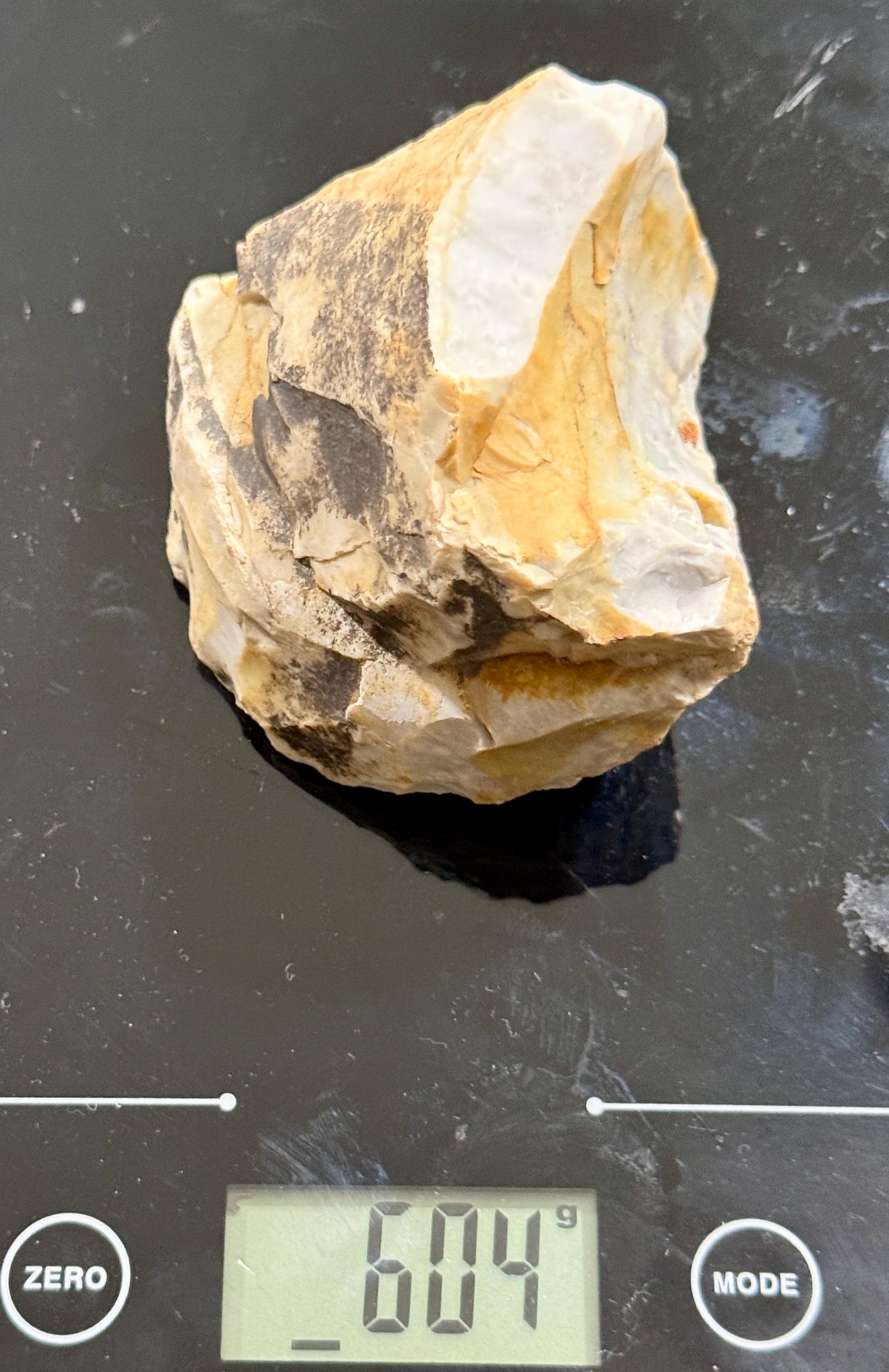
Ohio Flint (High‑Silica Chert) • 9.9 oz (604 g) • Raw Specimen
$26.00
-
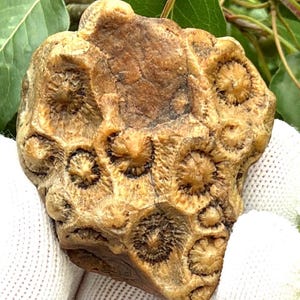
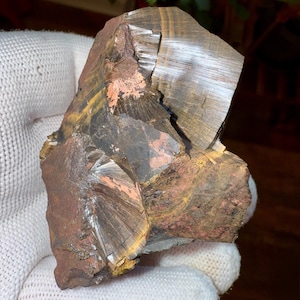
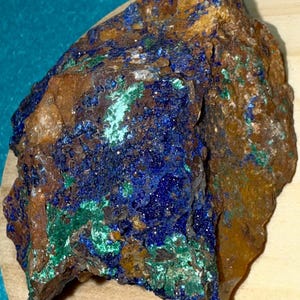
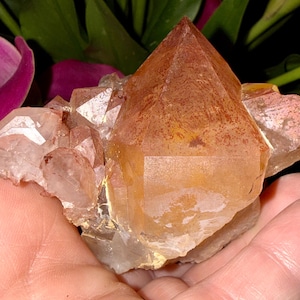
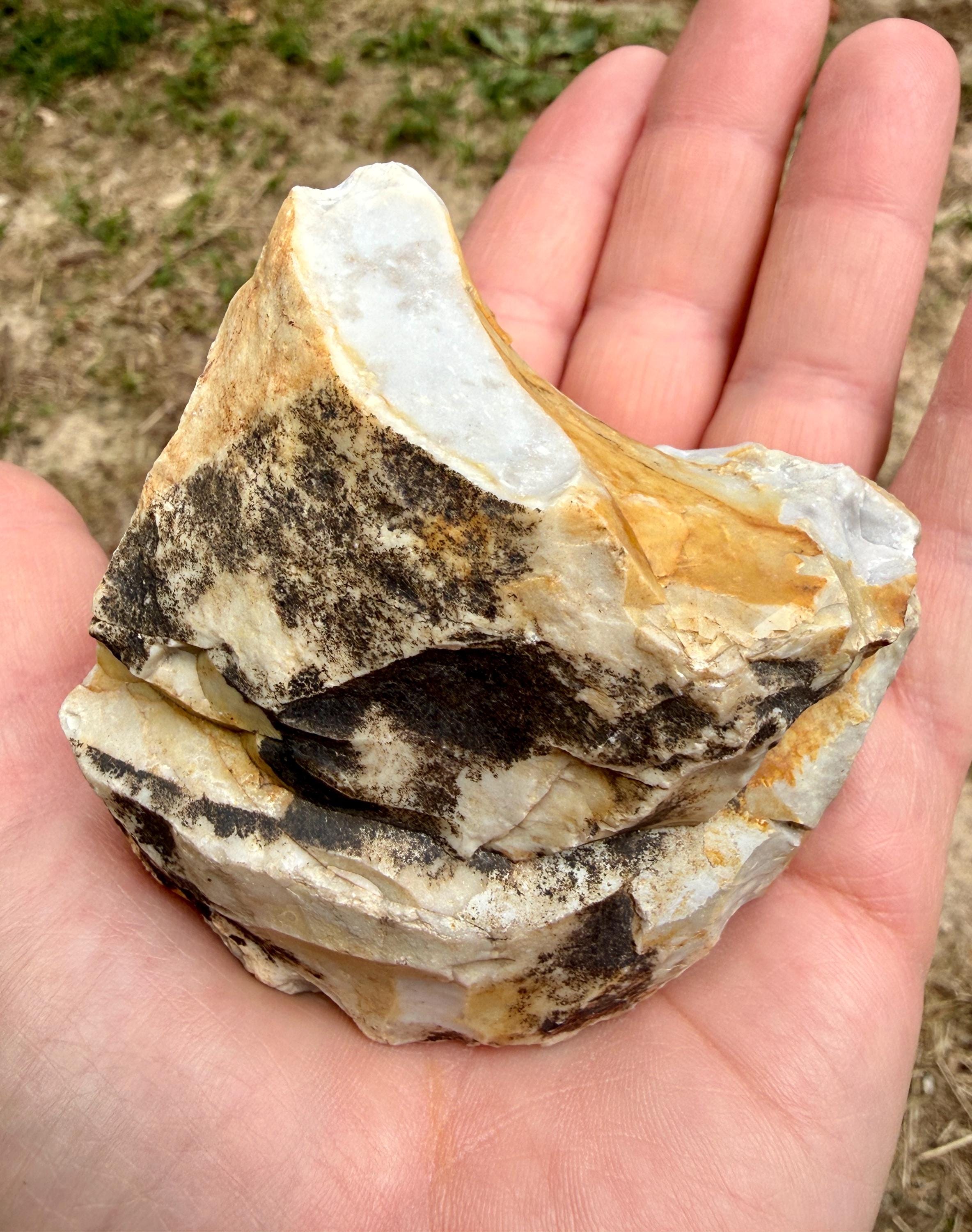
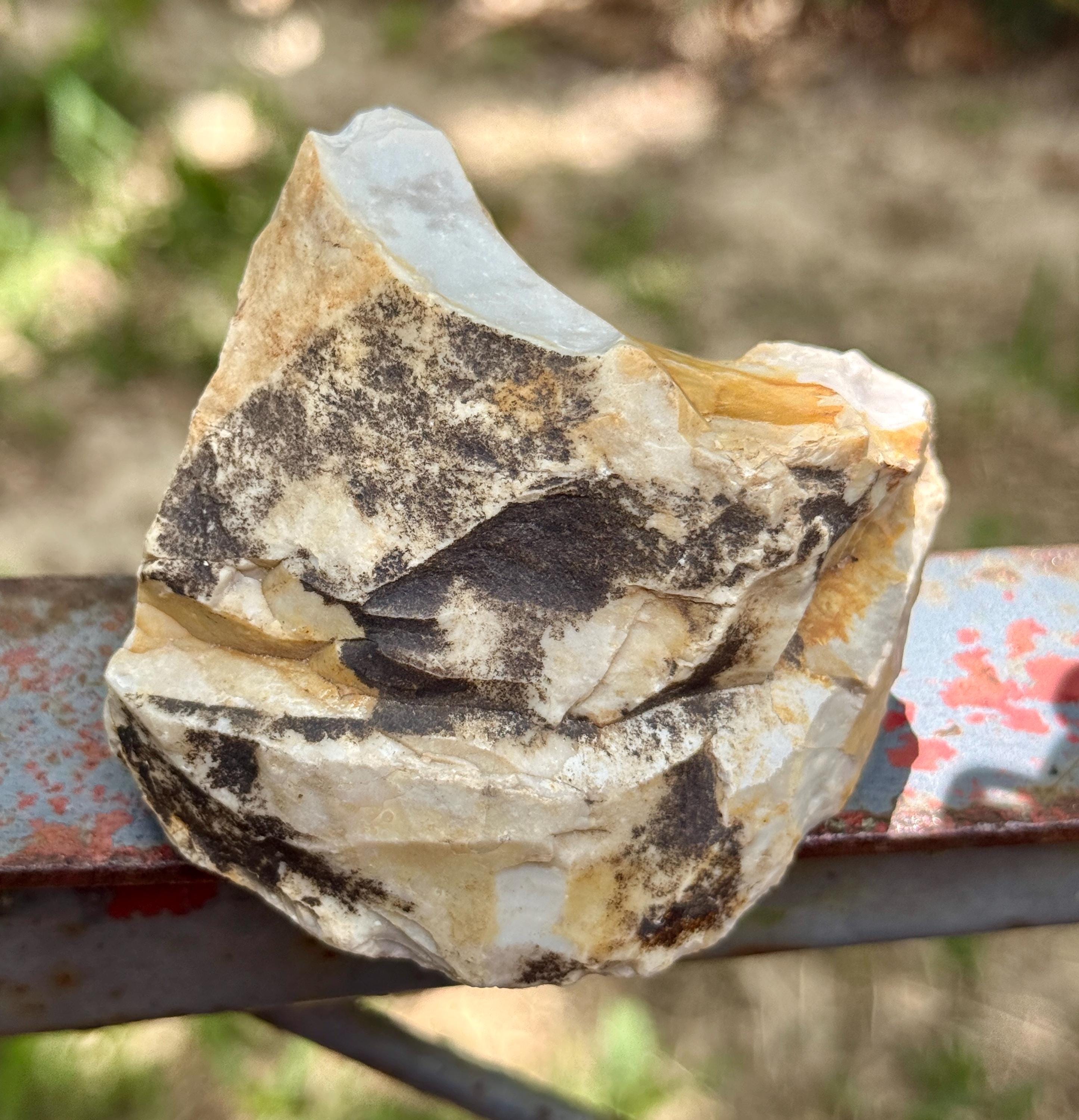
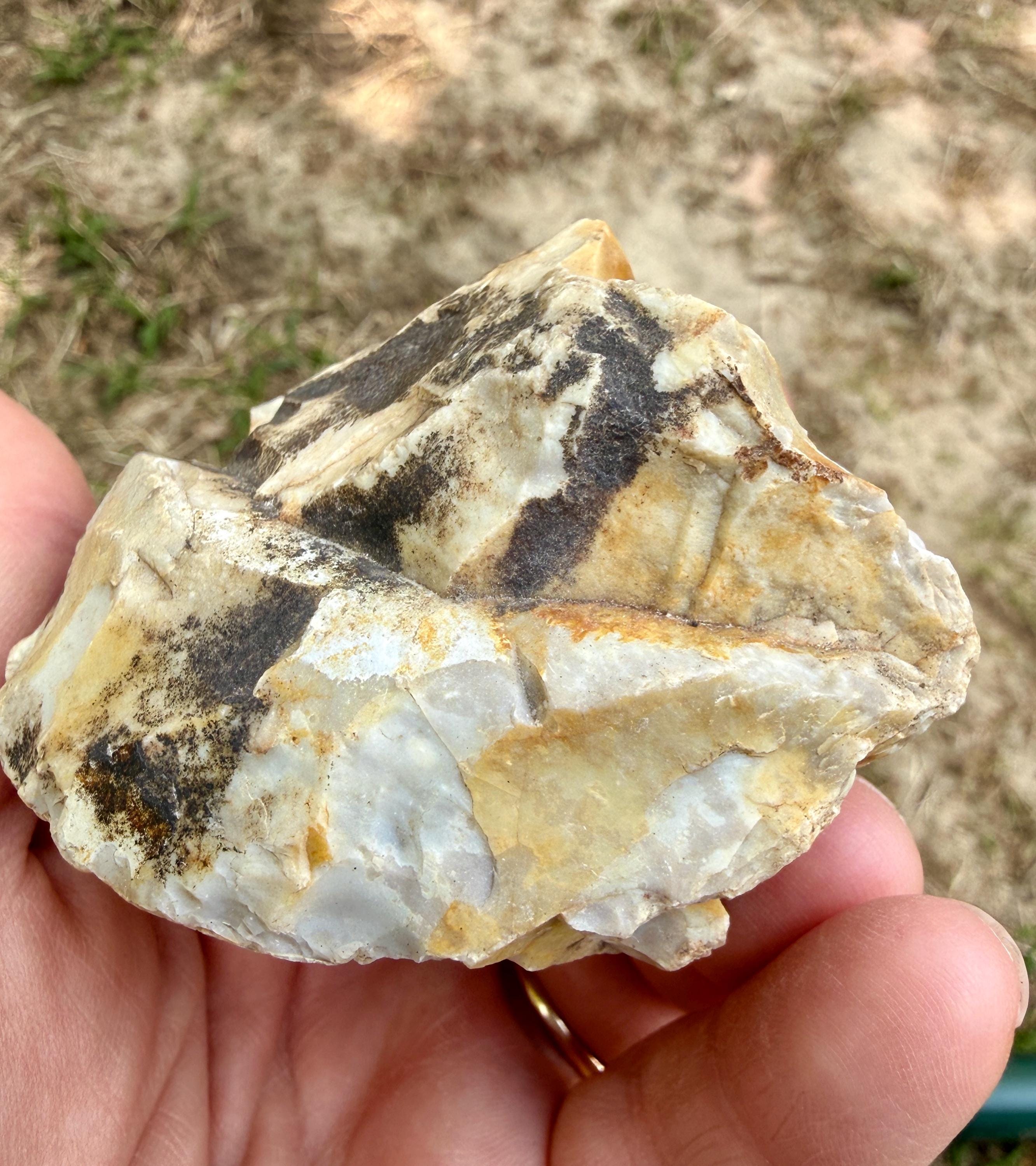
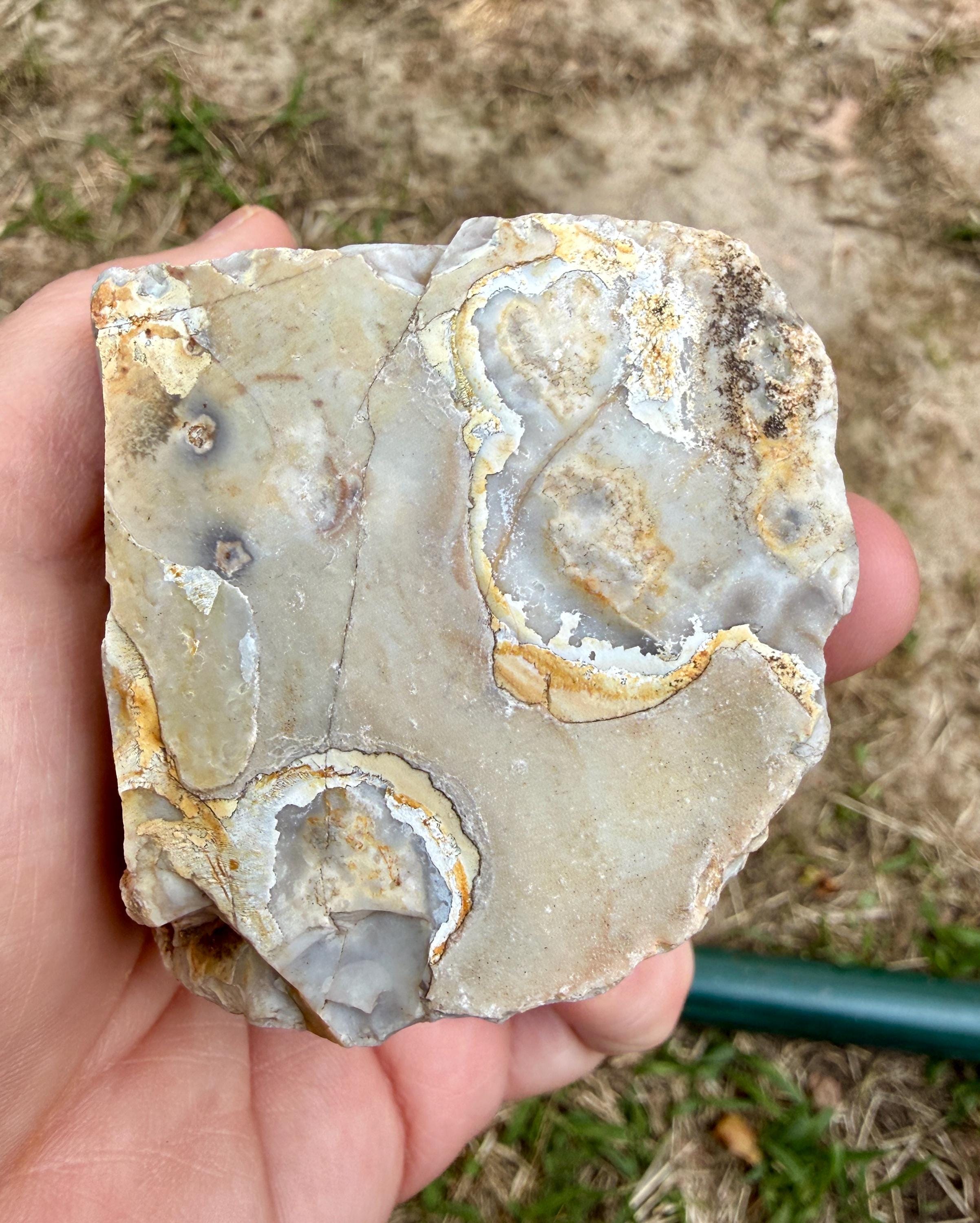
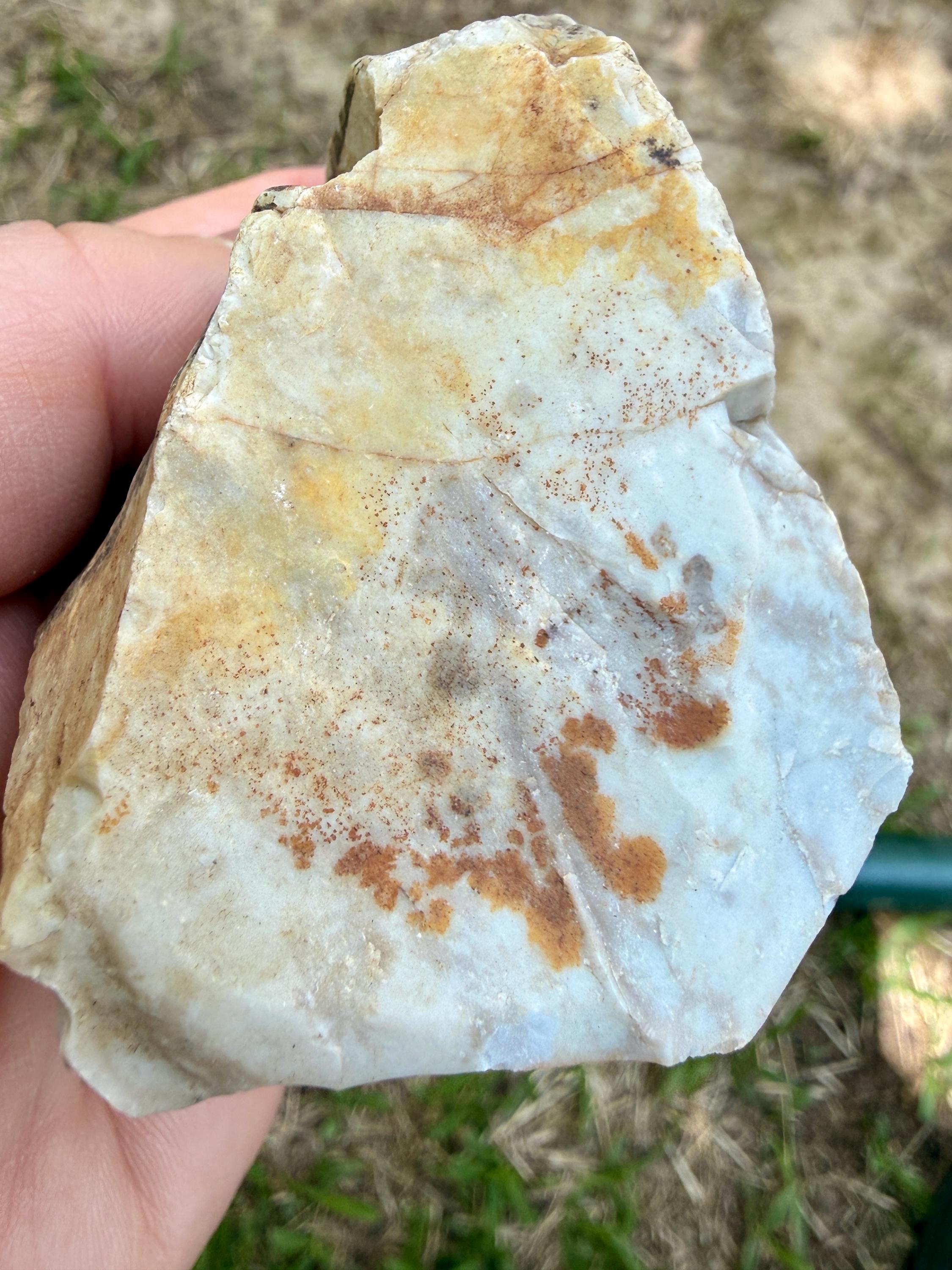
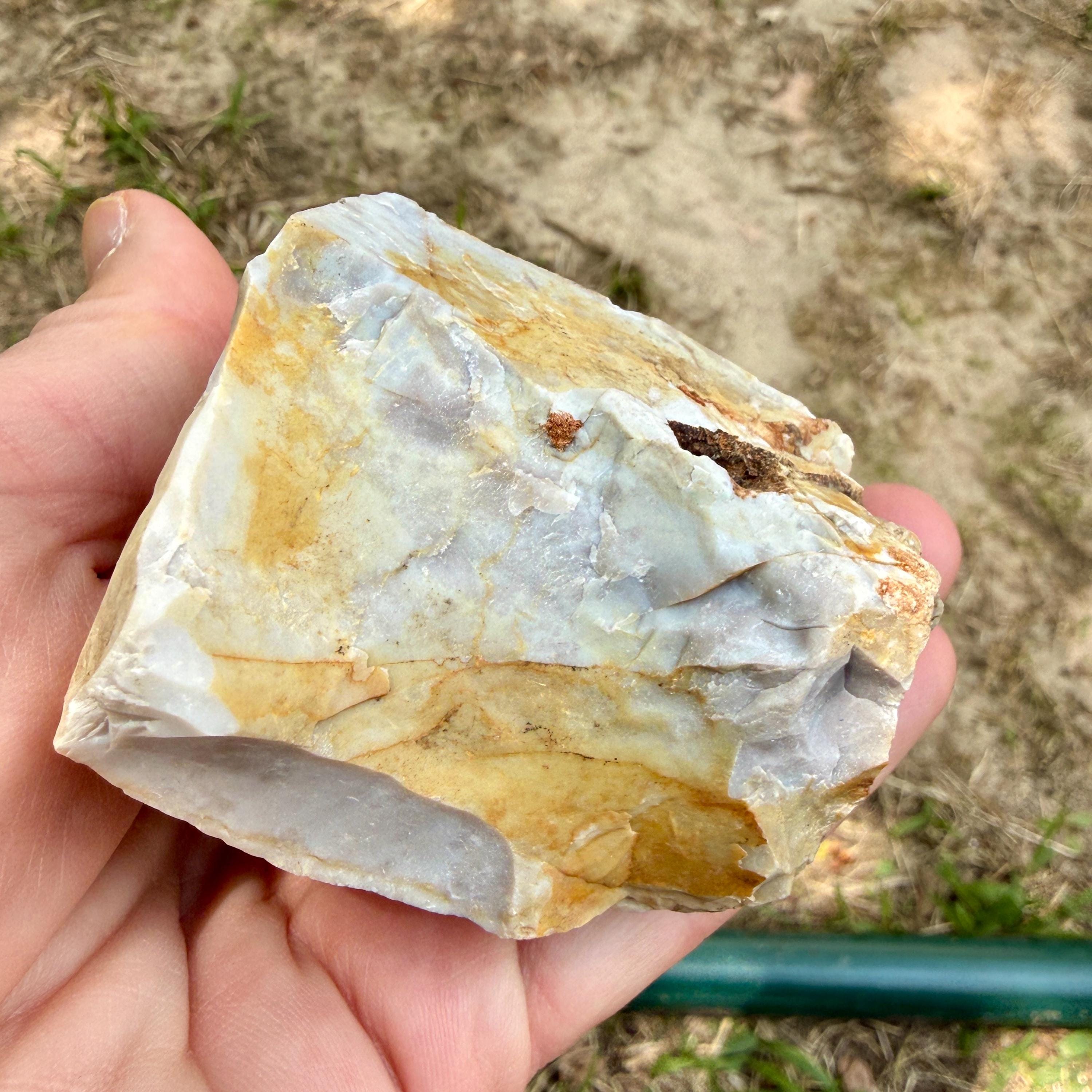
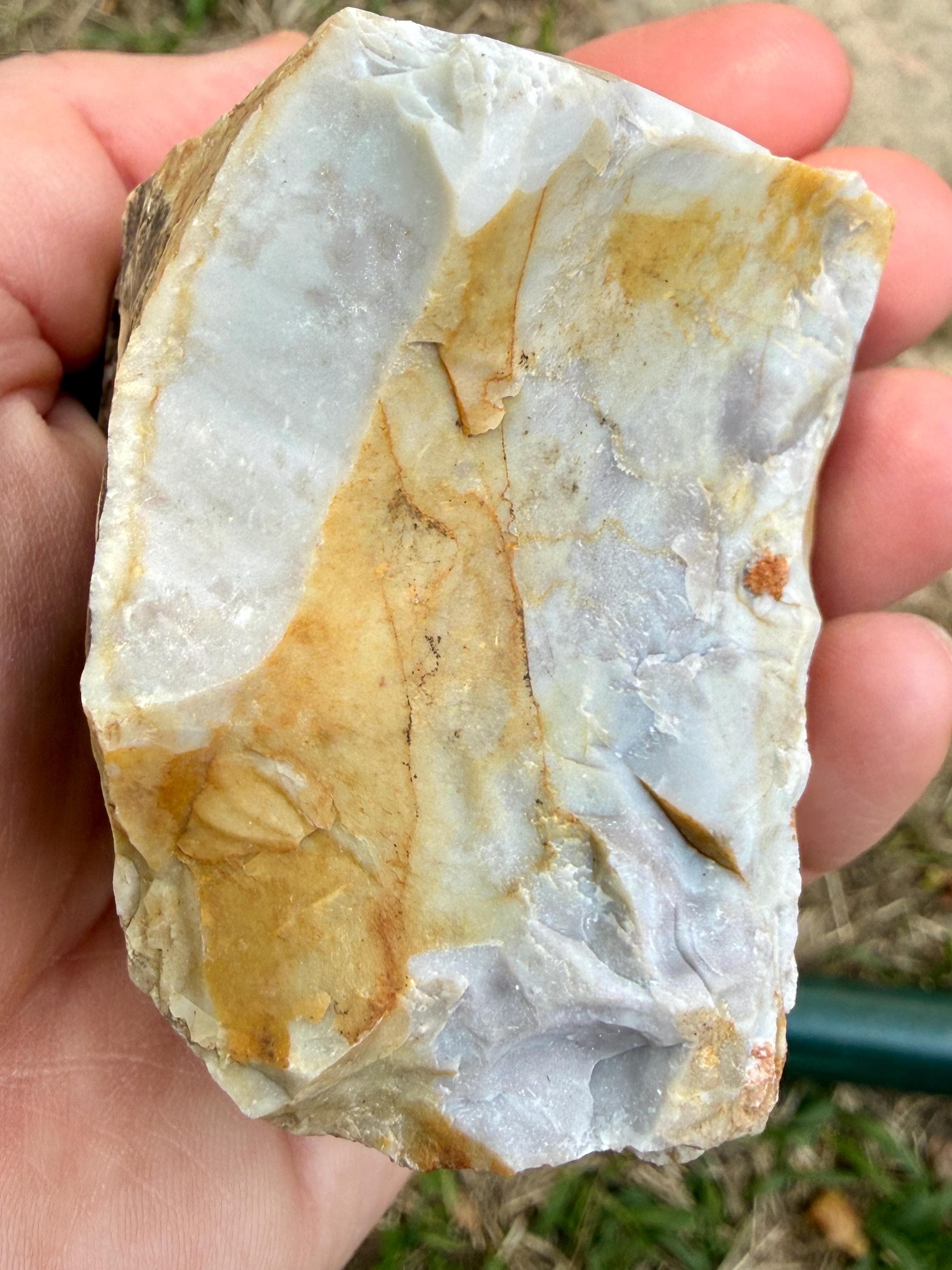
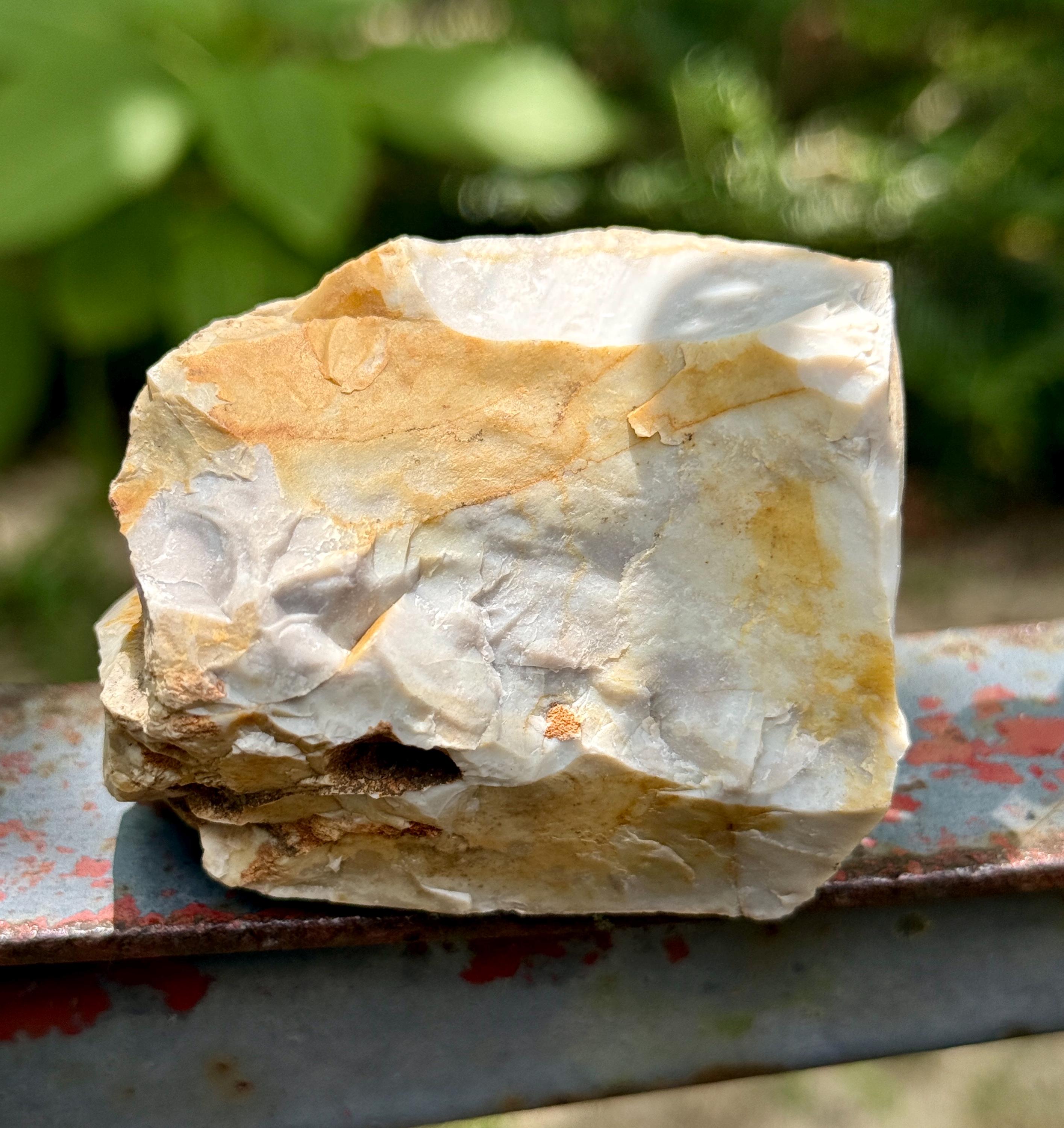
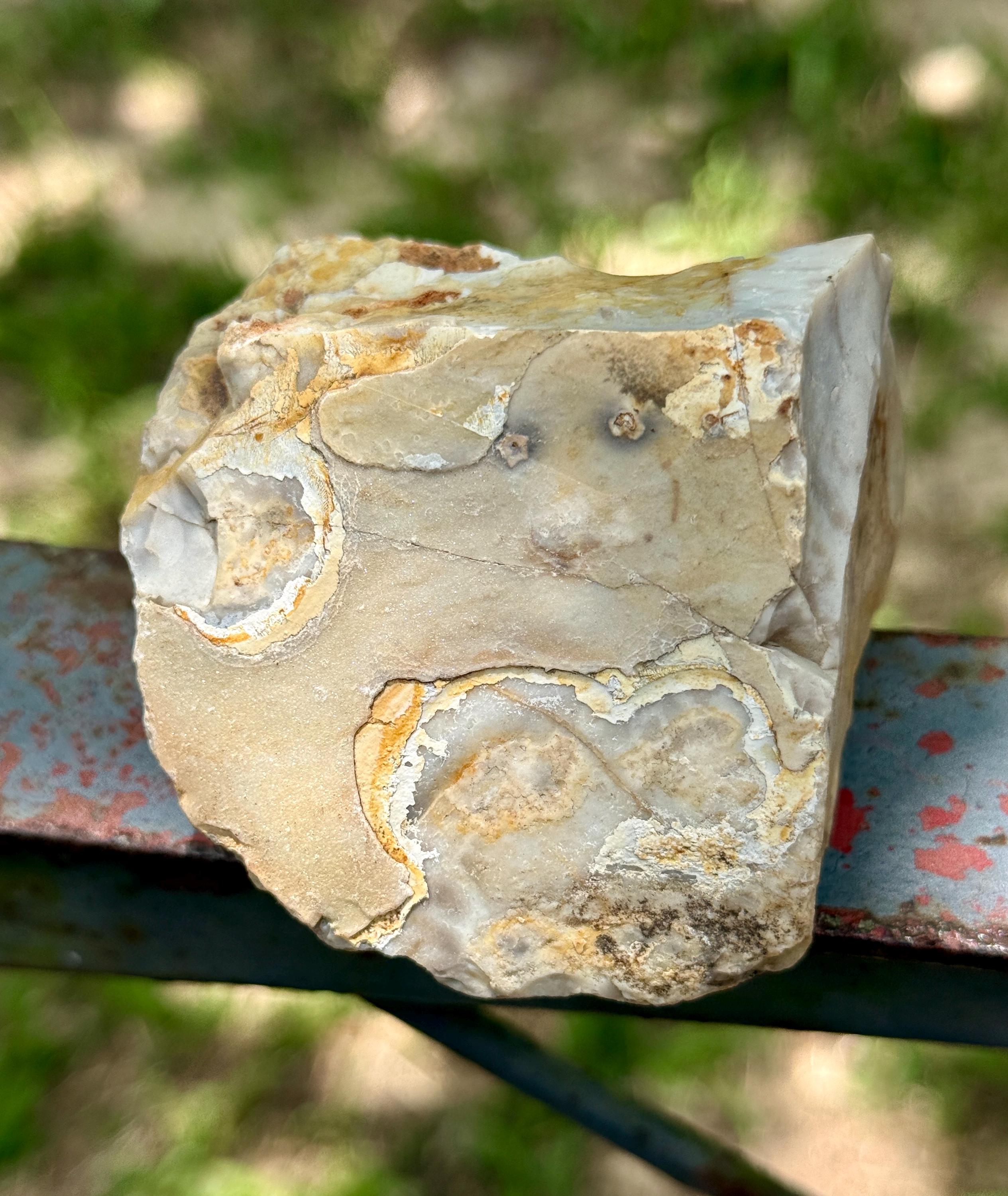
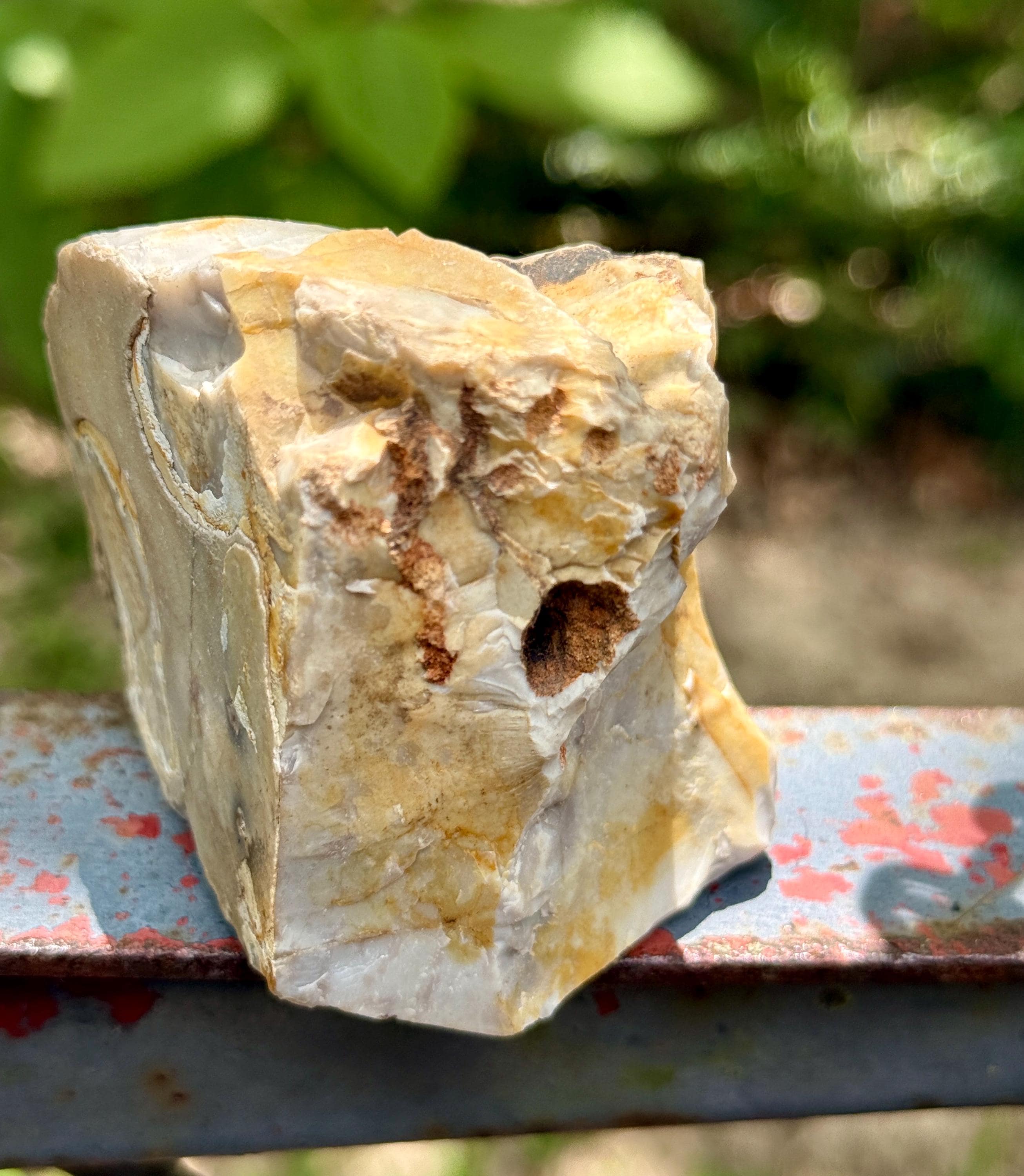
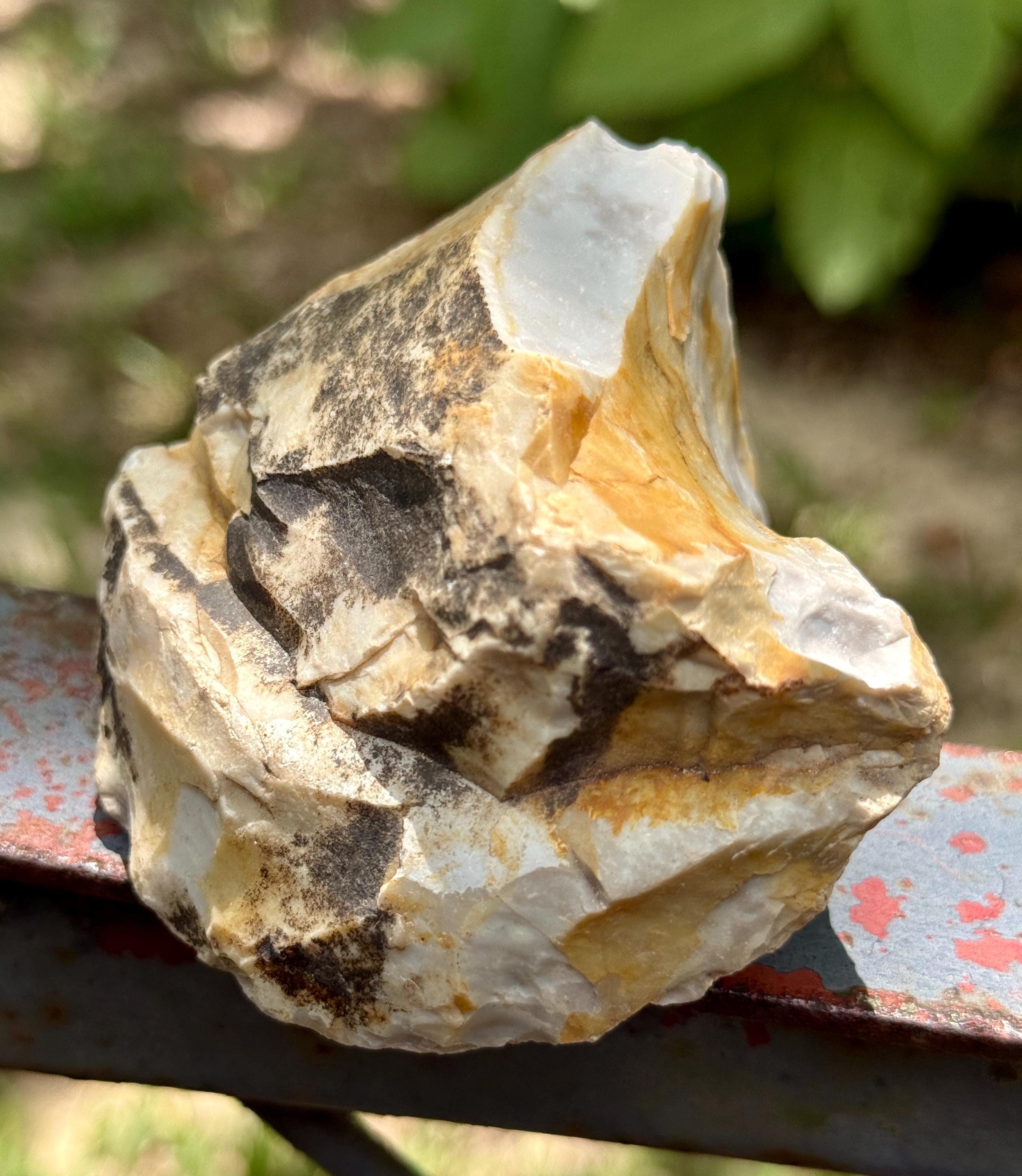
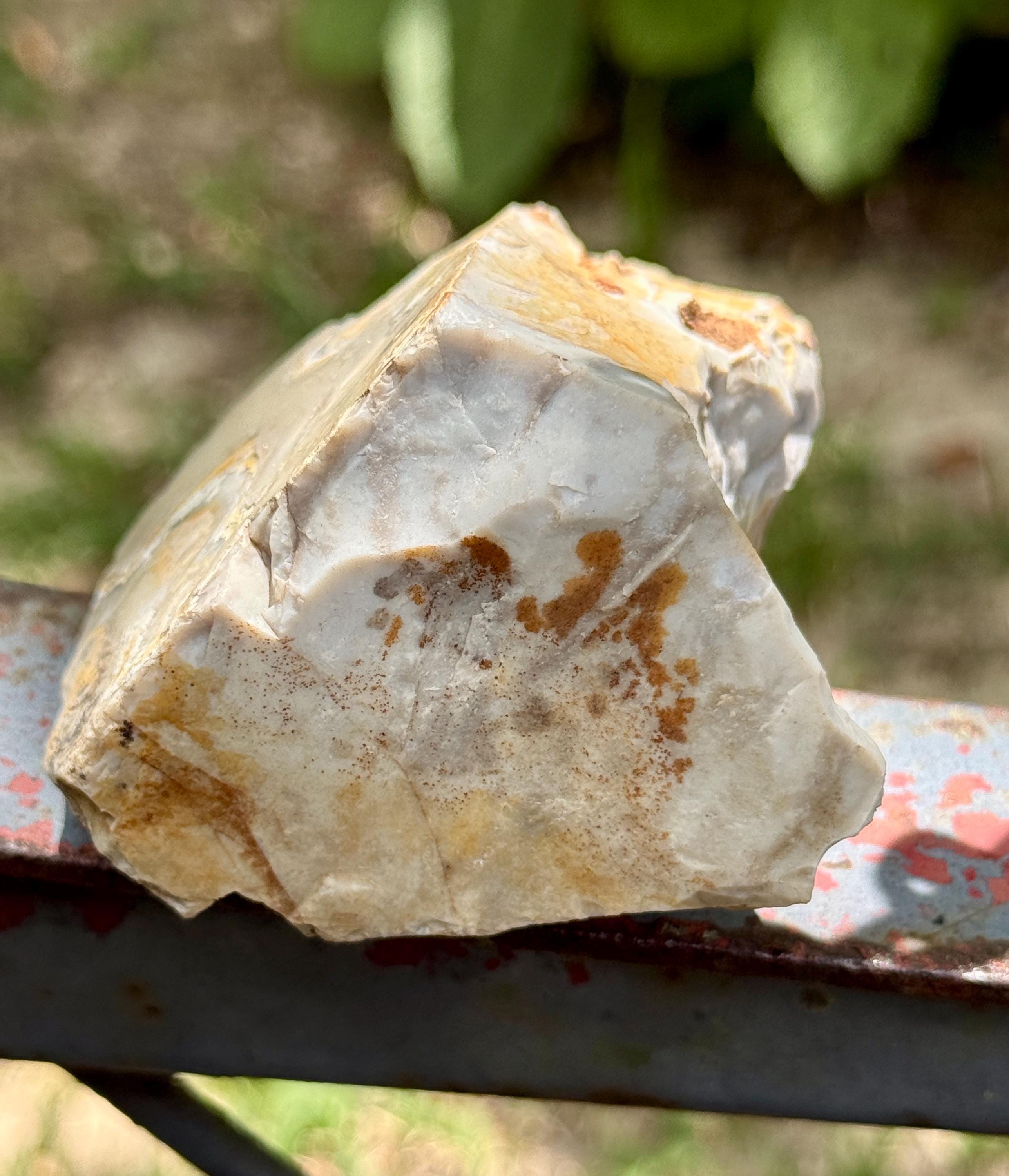
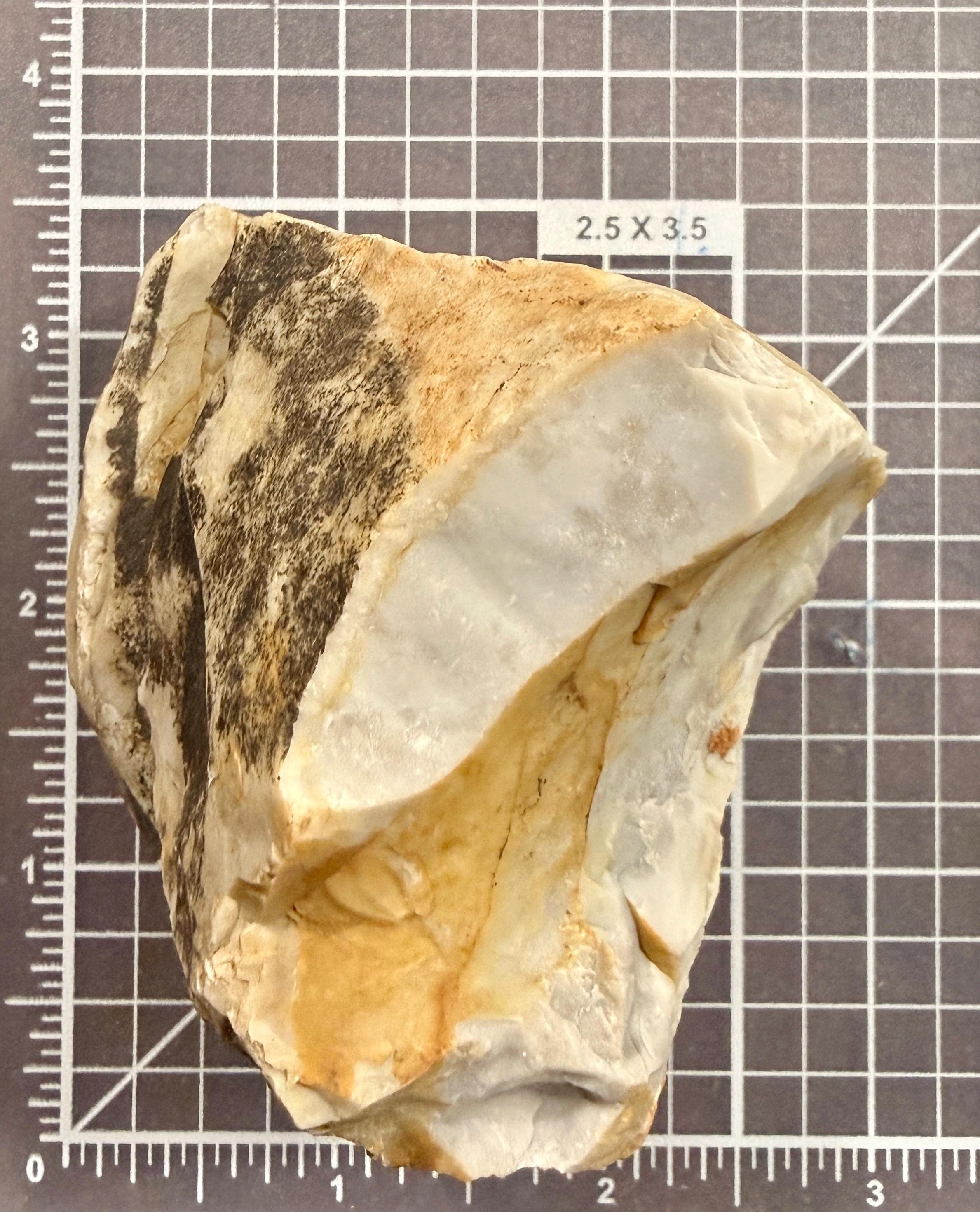
DetailsThis is a natural piece of Ohio flint — a dense, high‑silica chert formed within ancient limestone beds. The exterior shows its classic beige cortex, while the interior reveals smooth gray fracture surfaces with subtle banding and waxy luster. This specimen displays the conchoidal break and tight cryptocrystalline structure that make Ohio flint so distinctive.
Geologically, this material is consistent with Flint Ridge characteristics, including its color palette, density, and cortex texture. Because Ohio has multiple flint‑bearing formations, exact site provenance cannot be confirmed, but the material aligns well with known Flint Ridge traits.
GEOLOGICAL FORMATION:
Flint forms when silica‑rich groundwater moves through limestone, slowly depositing microscopic quartz inside cavities, seams, or layers of the host rock. Over millions of years, this dissolved silica replaces the original material and hardens into a dense, cryptocrystalline mass. As the nodule grows, it develops a smooth, waxy interior and a weathered outer cortex where it meets the surrounding limestone.
The beige exterior on this specimen reflects its time encased in limestone, while the gray interior shows the tightly packed quartz structure created by repeated silica deposition. This process gives flint its classic conchoidal fracture, durability, and glassy texture.
SPECIMEN DETAILS:
• Material: Ohio Flint (High‑Silica Chert)
• Form: Natural flint nodule
• Primary Color: Beige
• Secondary Color: Gray
• Texture: Dense, smooth, cryptocrystalline quartz
• Fracture: Conchoidal
DIMENSIONS:
• Length: ~3.5 in
• Width: ~2.5 in
• Height: ~1.5 in
• Weight: 9.9 oz (604 g)
USAGE:
Long before it became Ohio’s state gemstone, this flint played a practical role in everyday life. Native American communities sought it out for its strength and the way it fractured into sharp, reliable edges. They quarried it from limestone ridges and shaped it into arrowheads, knives, and drills. When European settlers arrived, they discovered the same qualities made it ideal for grinding stones in early mills. Today, Ohio flint is collected for its colors, textures, and deep connection to the region’s history.
IDEAL FOR:
• Geology collectors
• Rockhounds
• Lapidary artists
• Flintknappers
• Natural history displays -
Shipping & Policies