Fossils
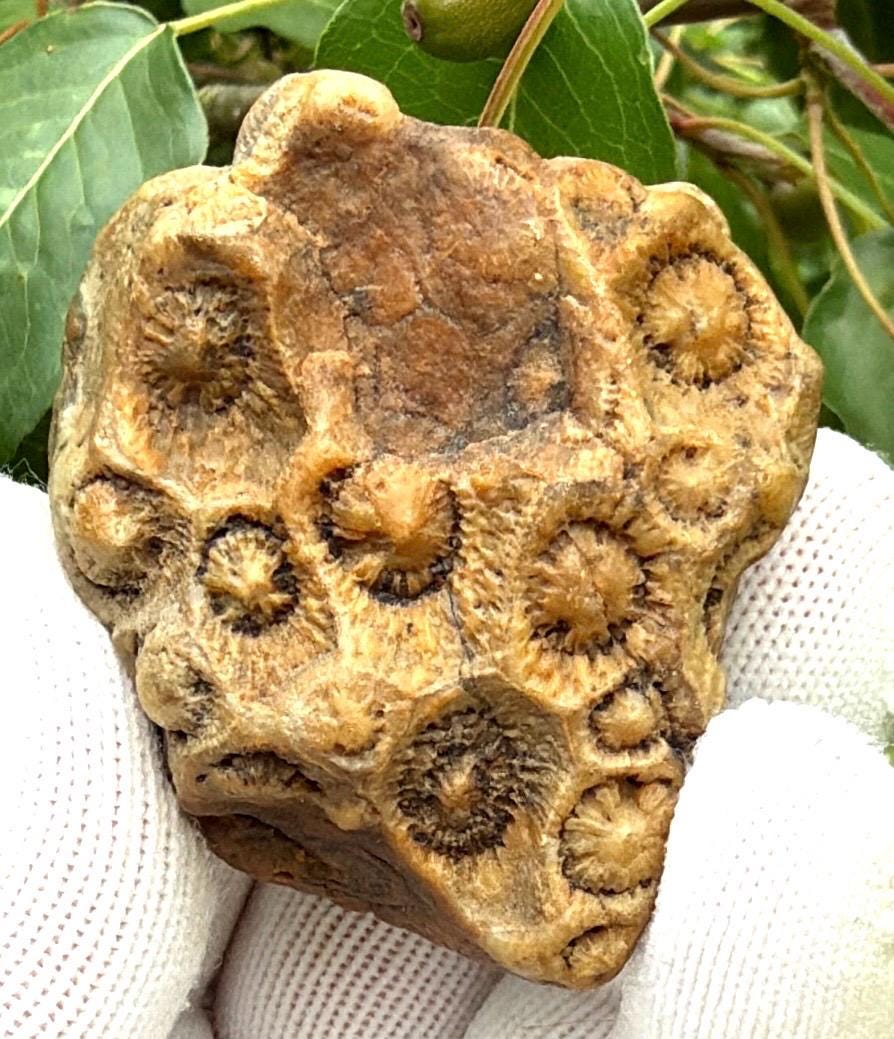
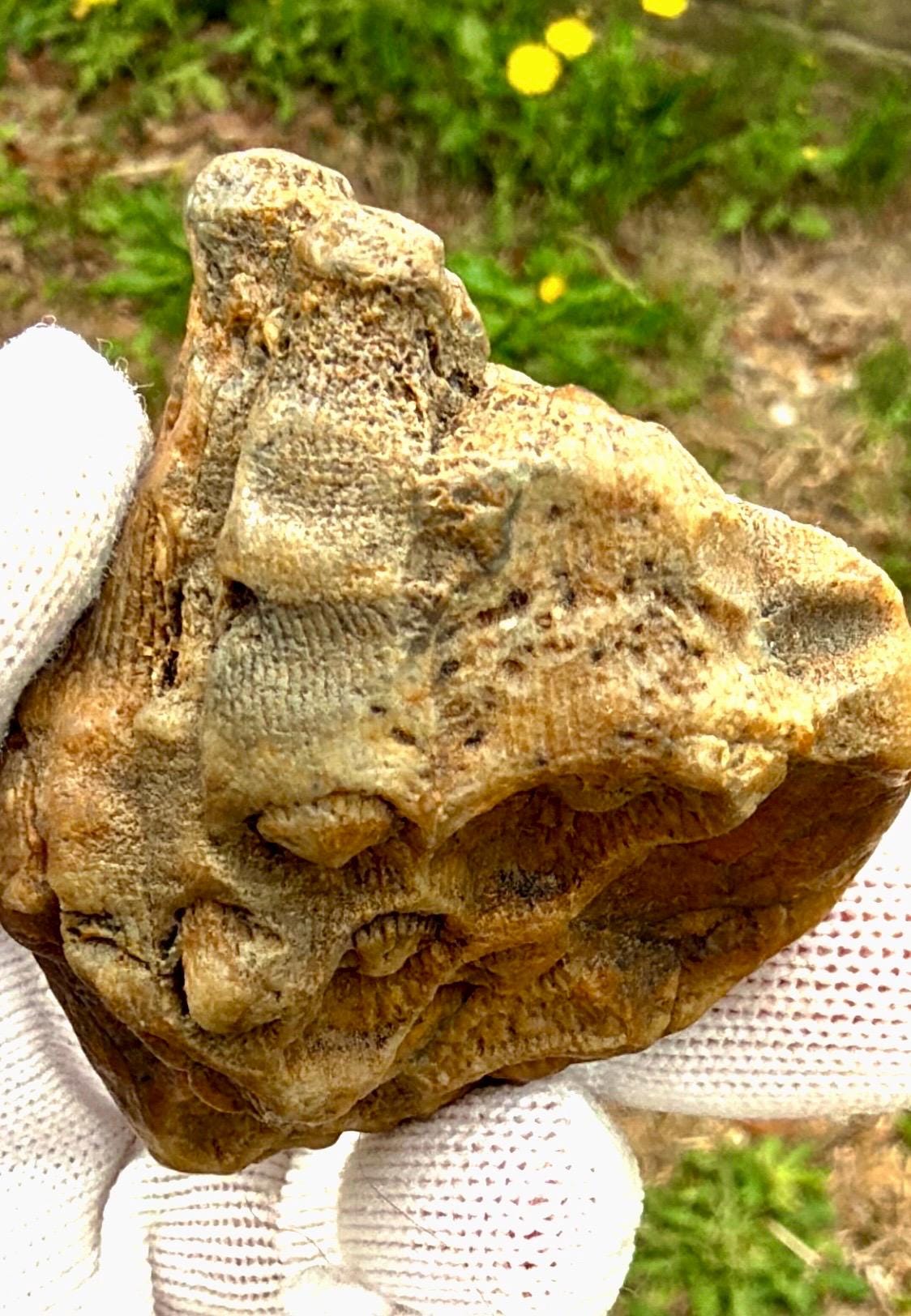
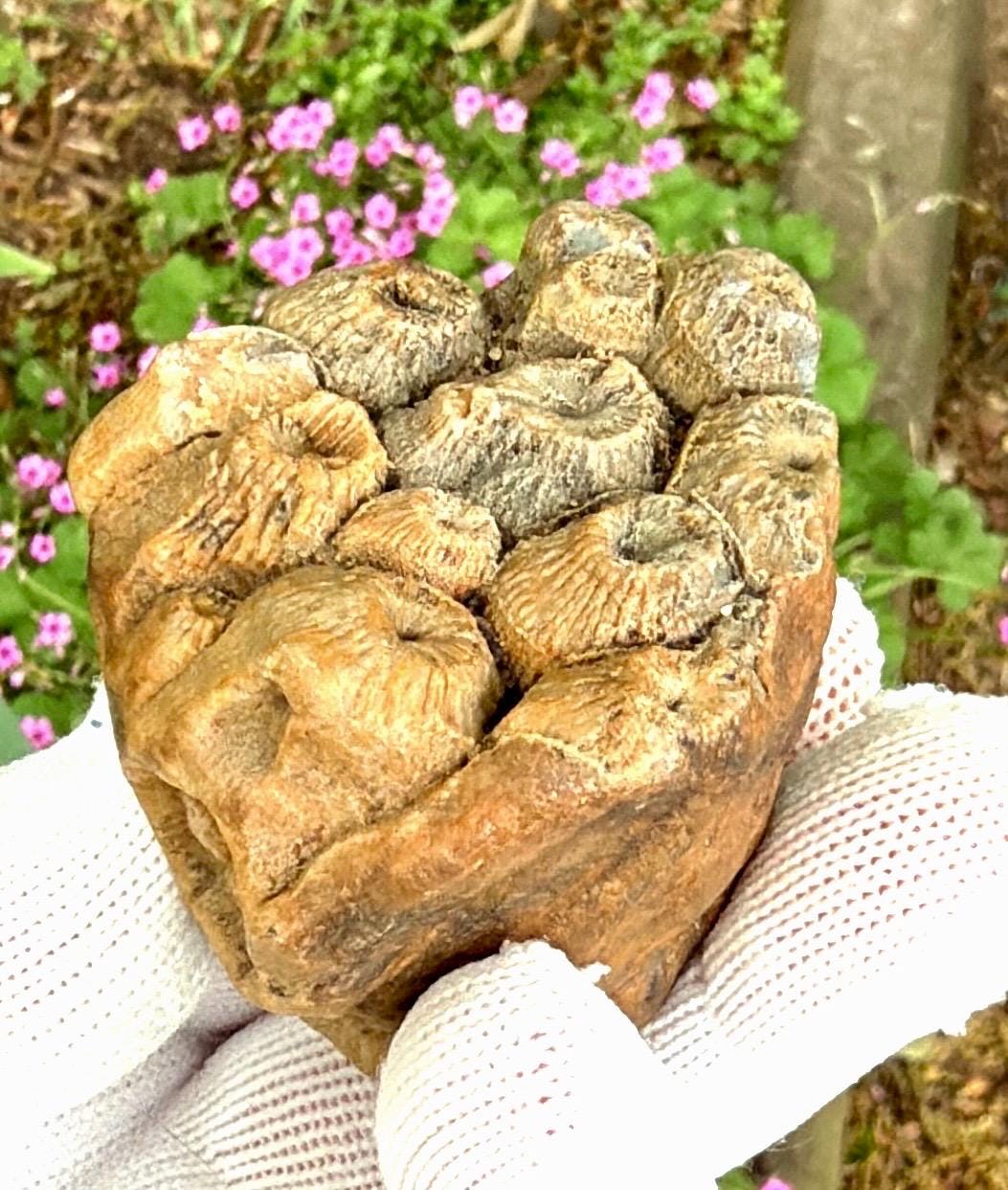
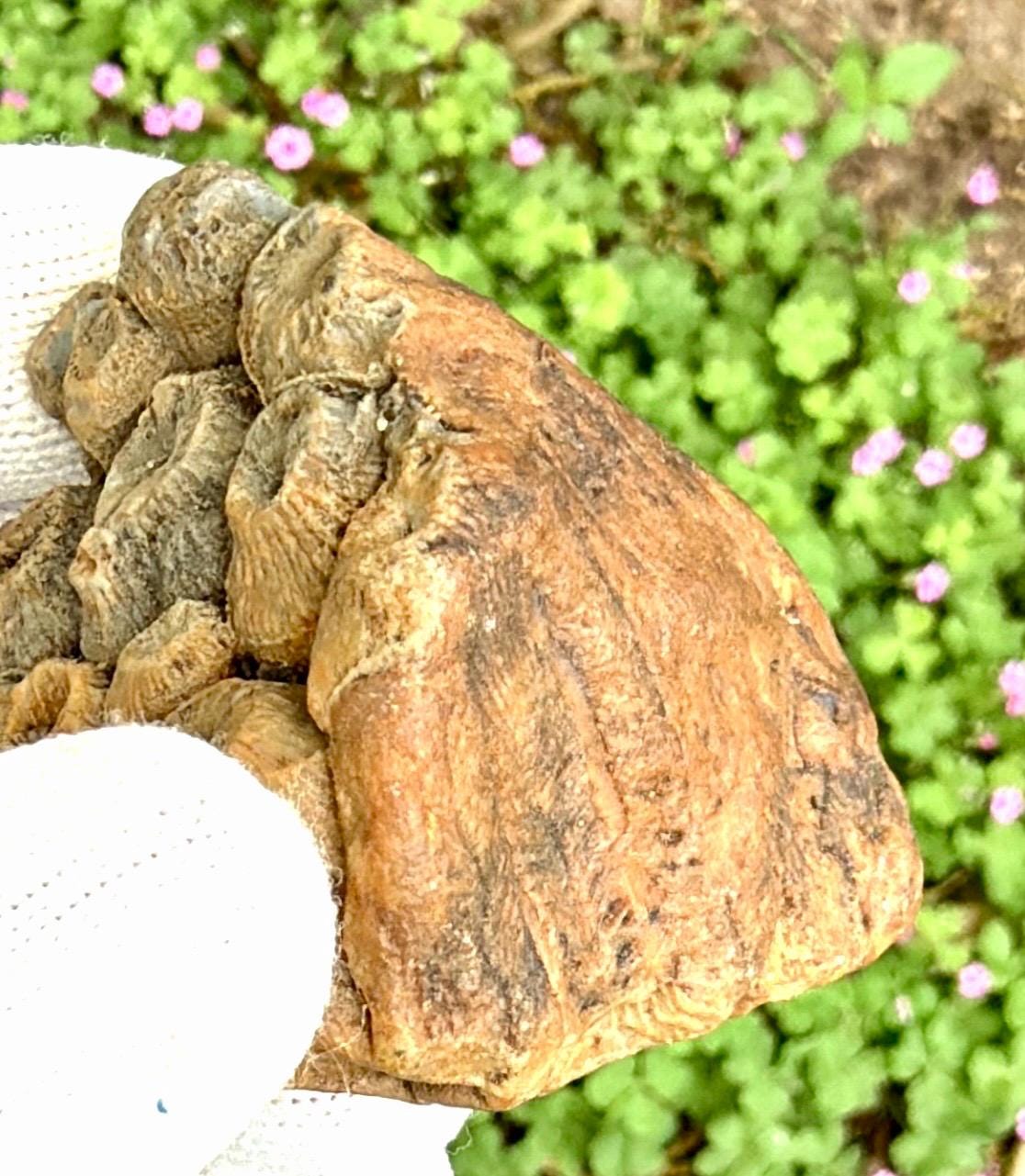
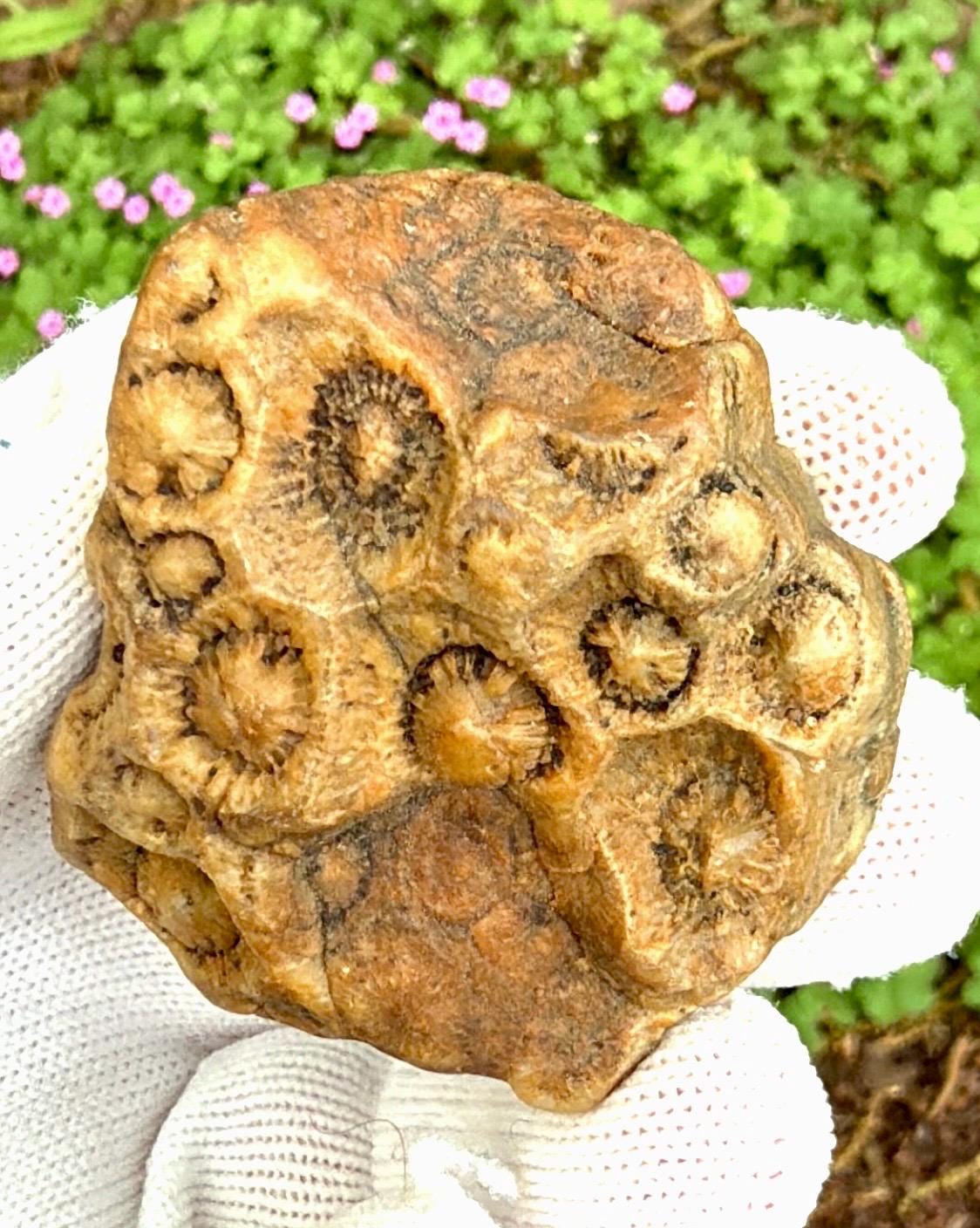
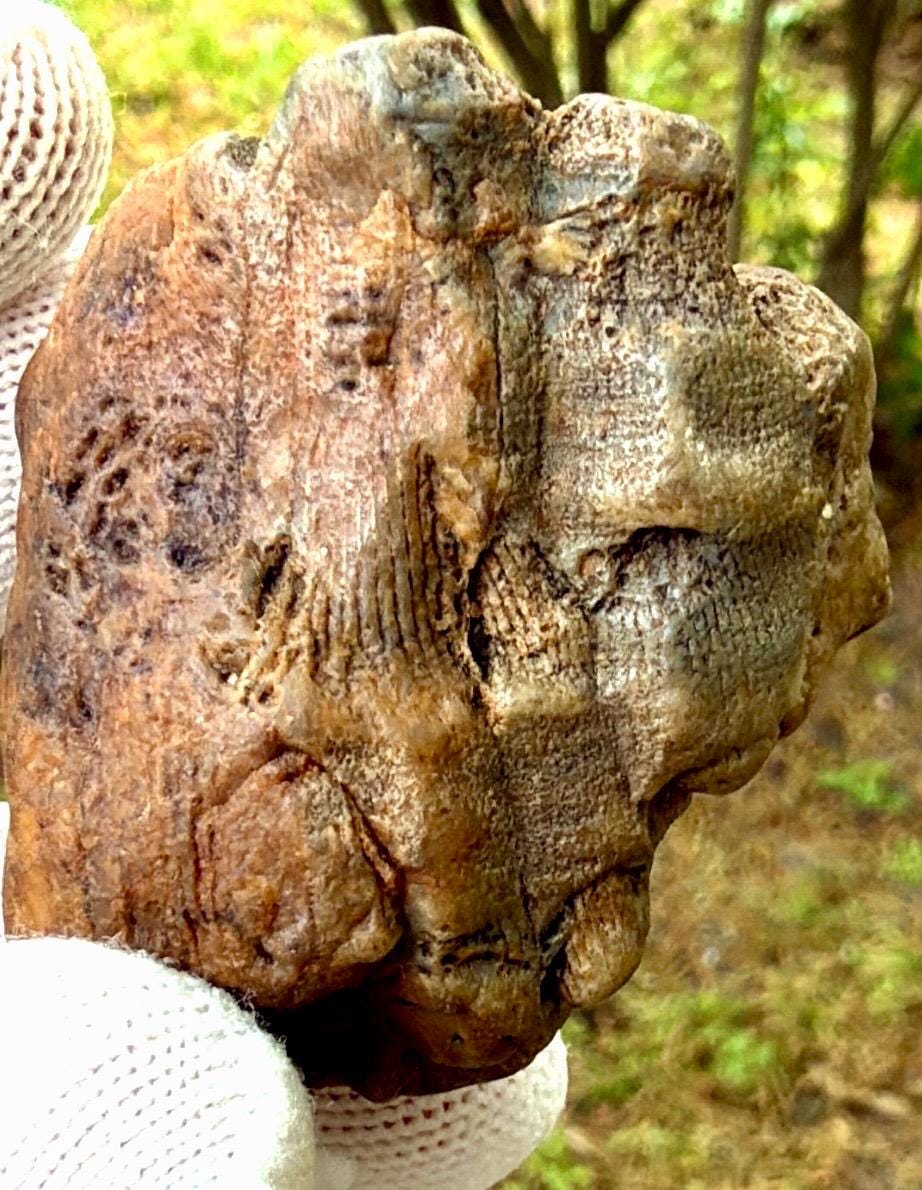
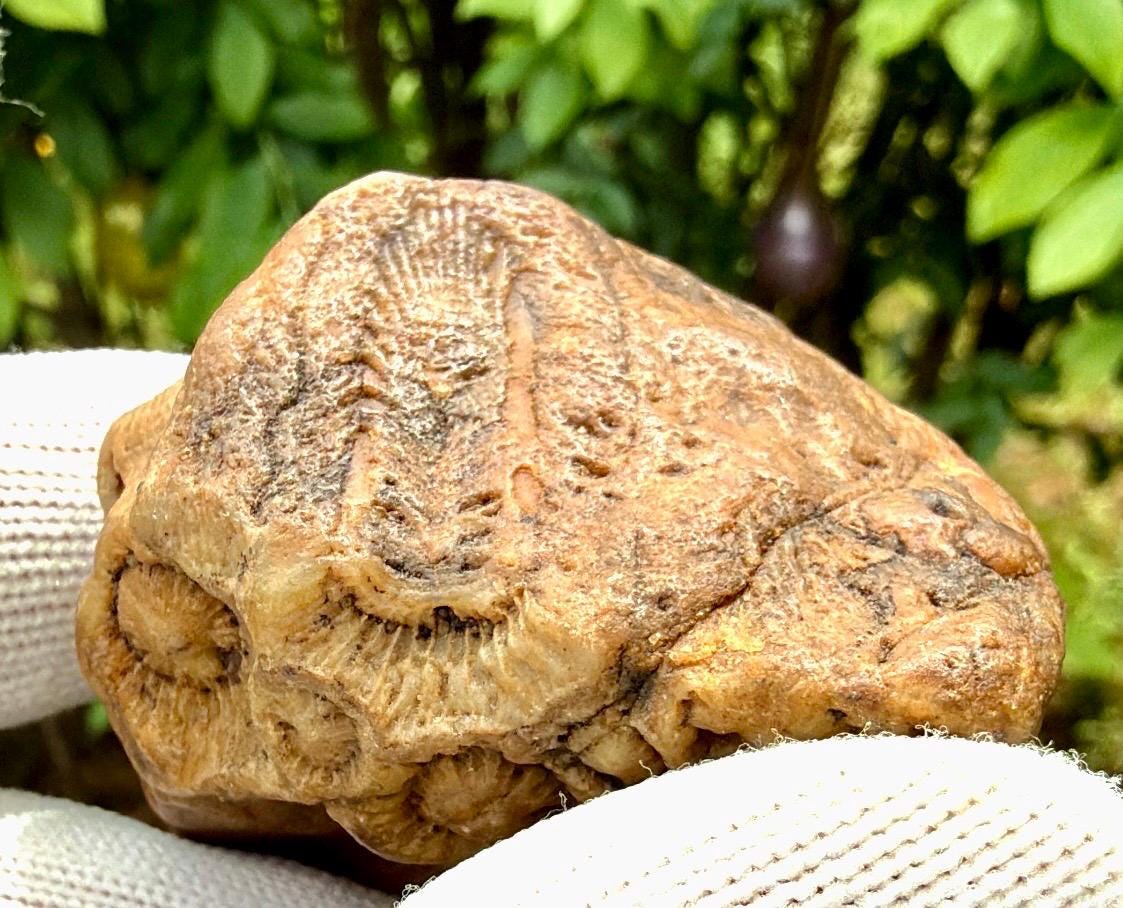
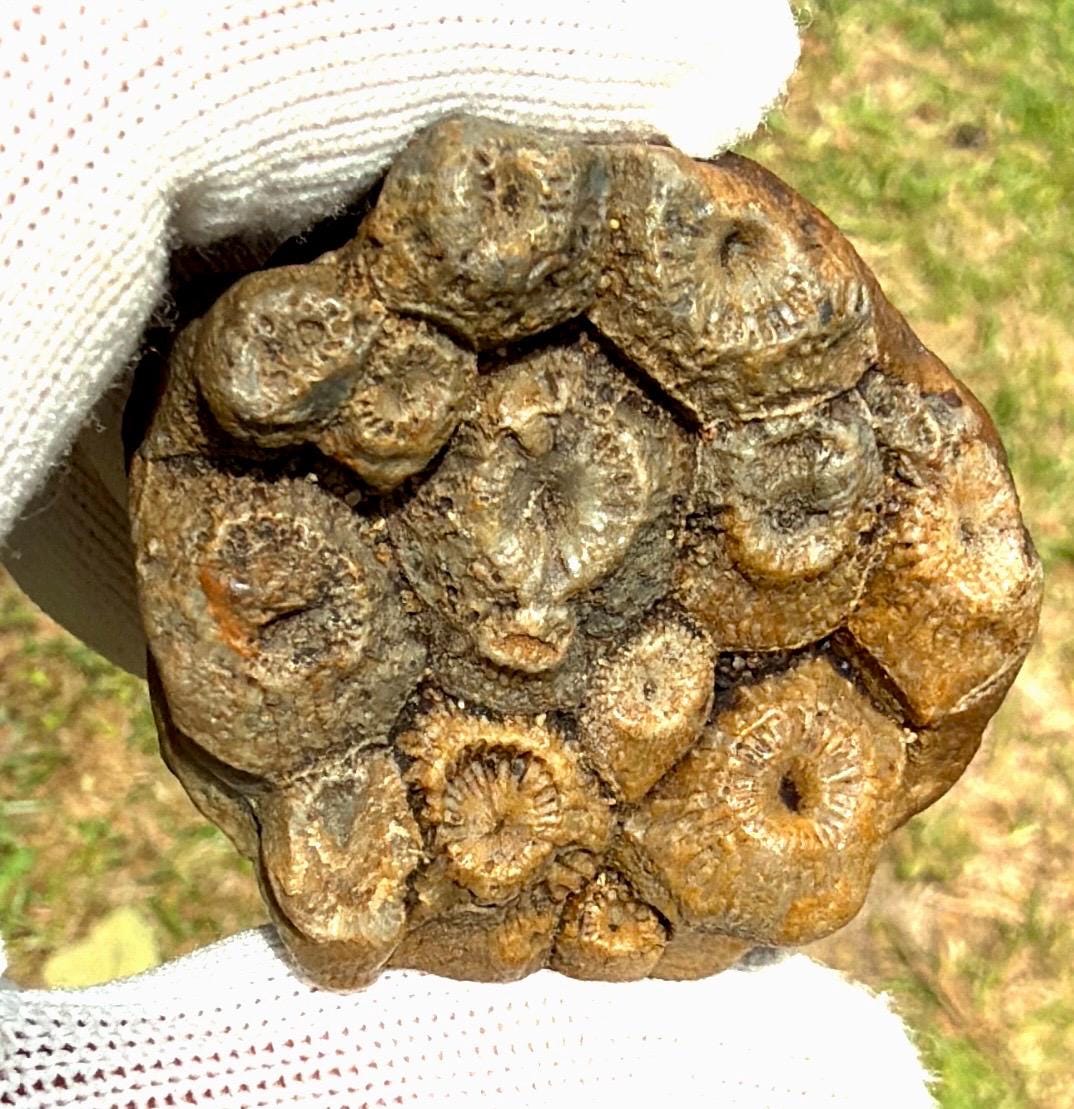
Rugose (Horn) Coral Fossil — Paleozoic Invertebrate Coral Specimen in Natural Calcite
$28.00
-
DetailsThis is a naturally preserved rugose (horn) coral, an extinct solitary coral that lived in warm, shallow seas during the Paleozoic Era, roughly 350–420 million years ago. Rugose corals began as soft-bodied polyps that built a hard external skeleton of calcium carbonate. Over time, that skeleton was buried by layers of sediment. As mineral-rich groundwater moved through the rock, the original coral structure was gradually replaced or filled with natural calcite, creating the fossil you see today.
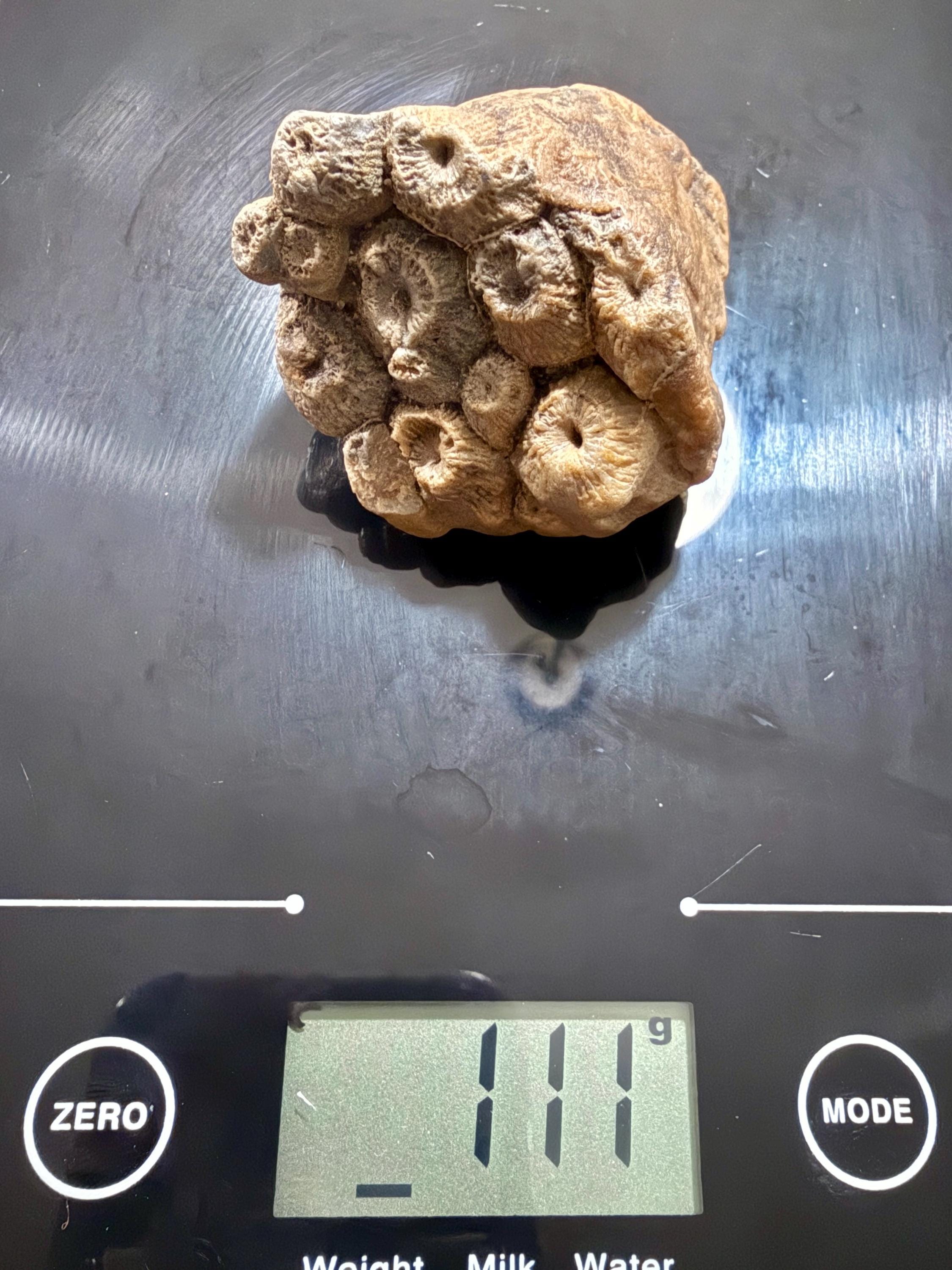
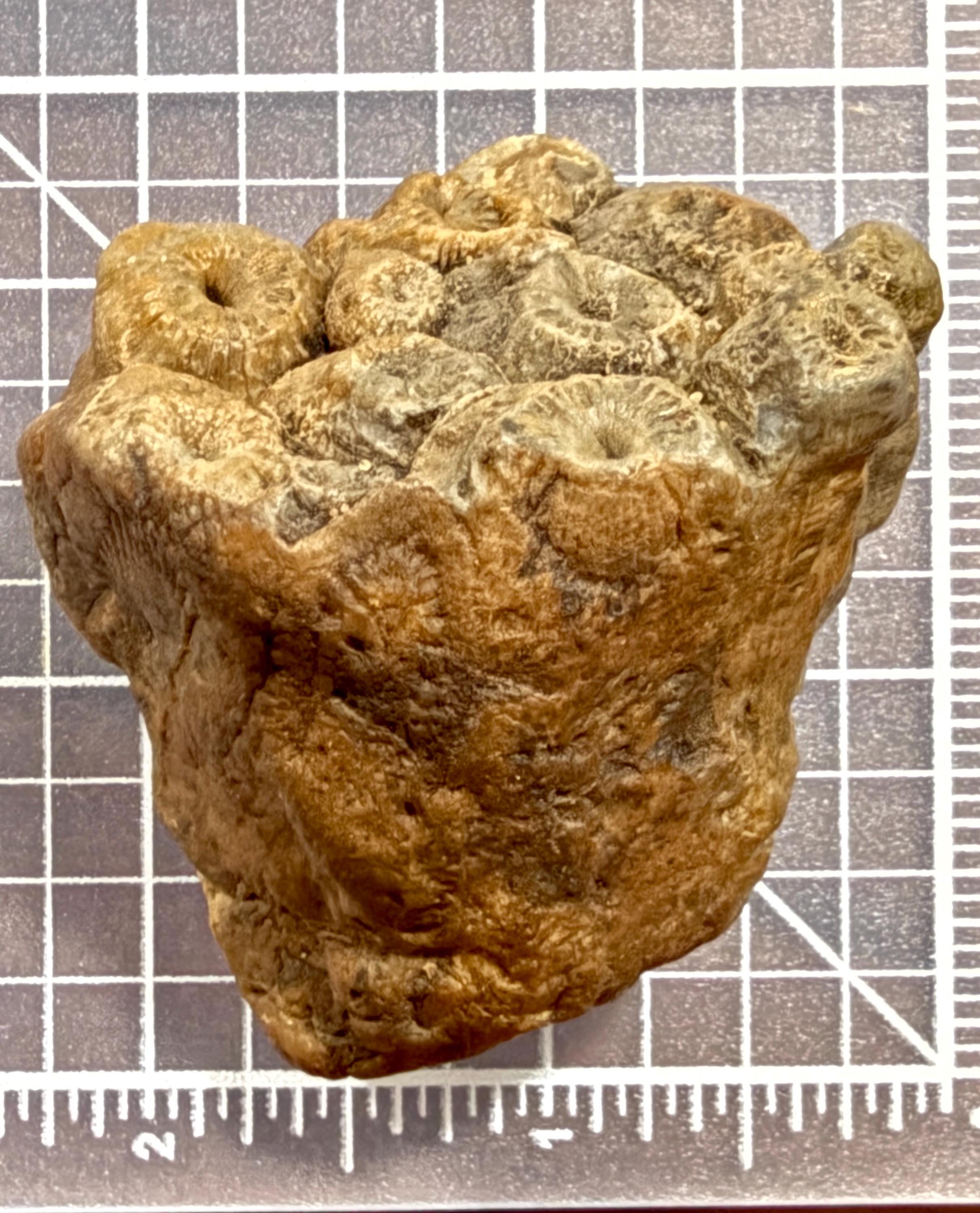
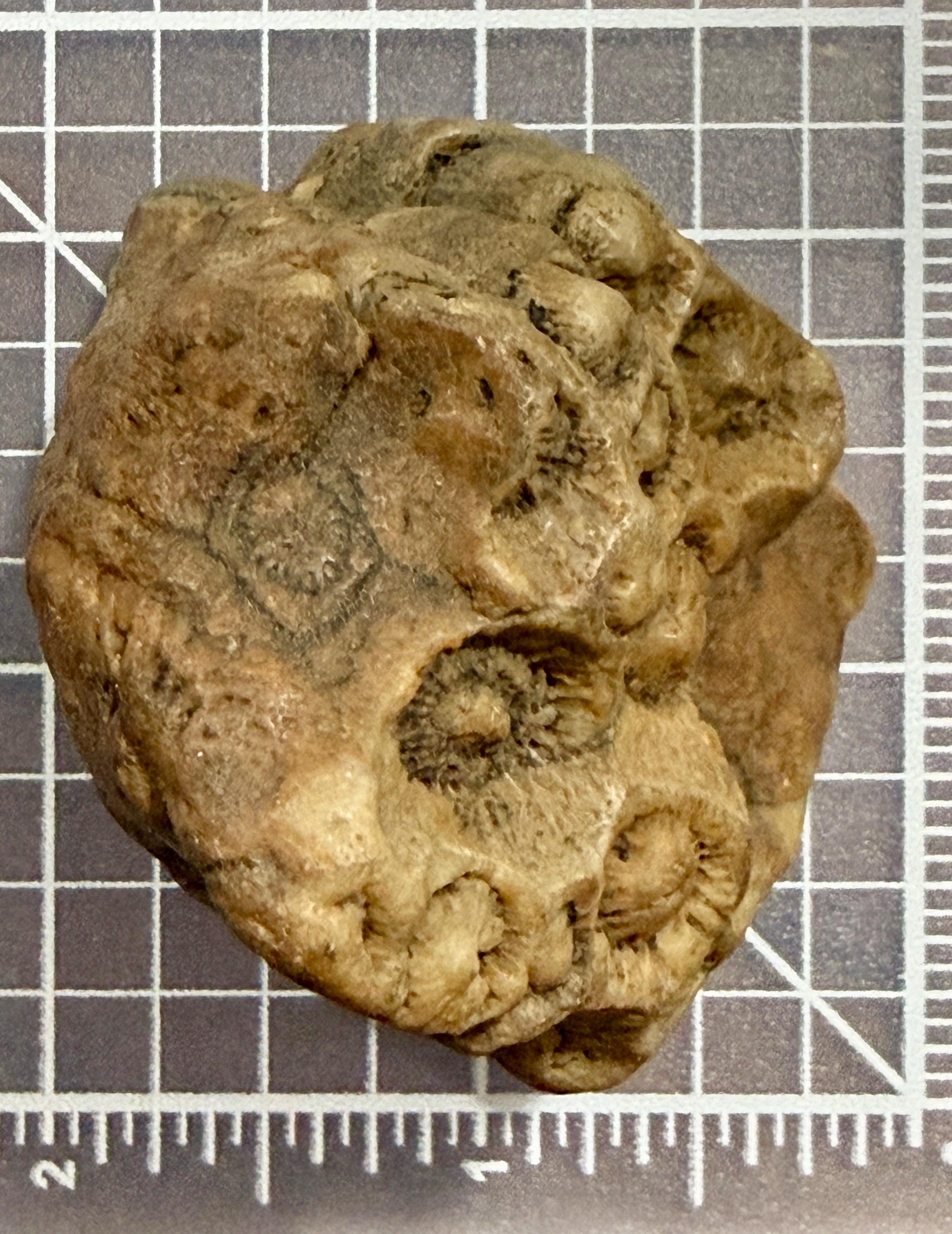
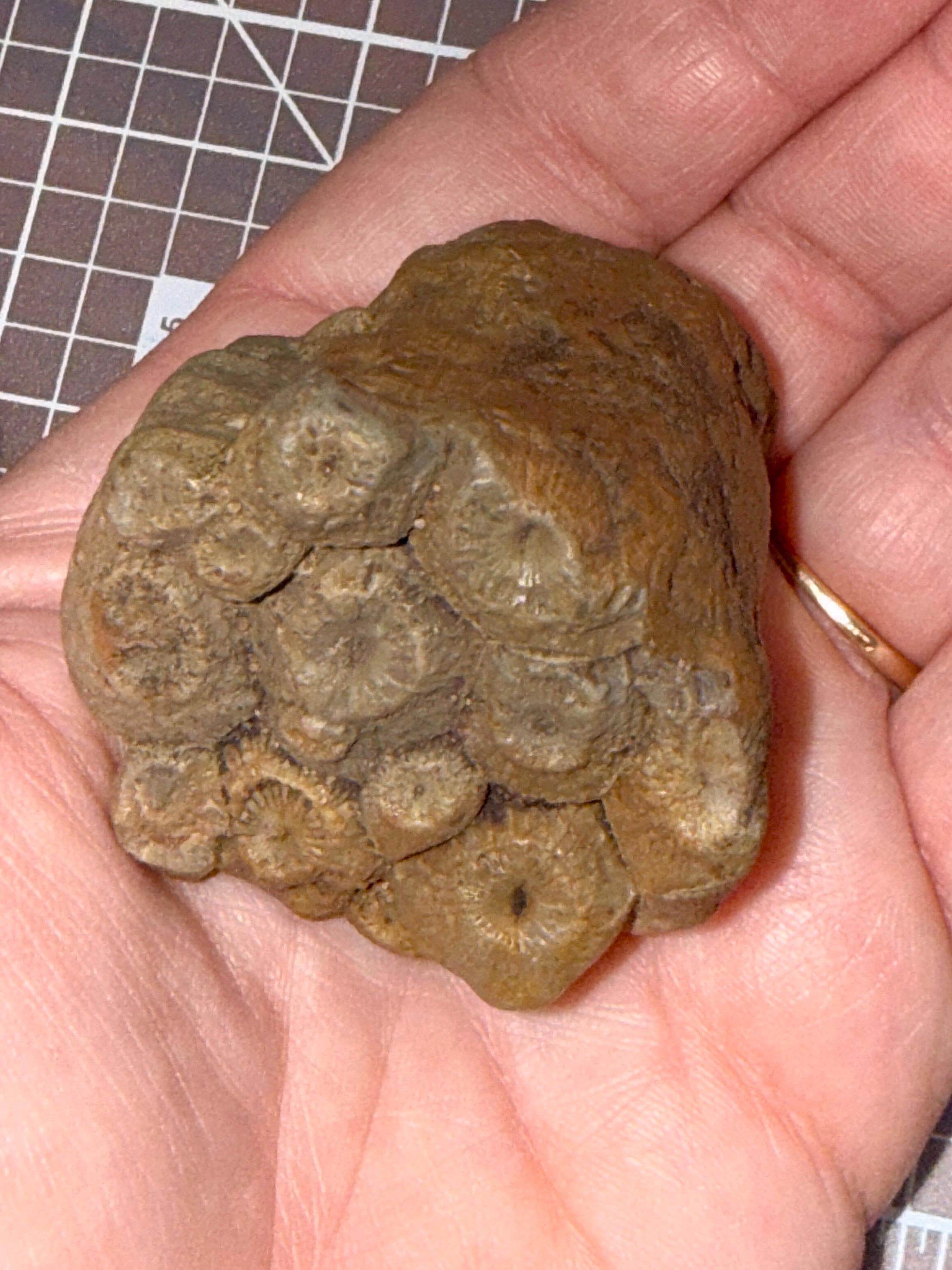
This specimen shows the classic horn-shaped form and well‑defined internal septa—the radiating walls that once supported the living coral polyp. These features help identify the coral and reveal how it grew.
Fun fact:
Rugose corals grew in tiny daily and yearly bands, similar to tree rings. Scientists have used these growth lines to estimate that Earth’s day was shorter during the Paleozoic—around 21–22 hours long—because the planet was spinning faster.
Weight: 111 g
Material: Fossilized coral (natural calcite)
Era: Paleozoic (likely Devonian or Carboniferous)
A clean, unaltered example of early marine life and a solid addition to any fossil or natural‑history collection. -
Shipping & Policies