Iron Oxides & Ores
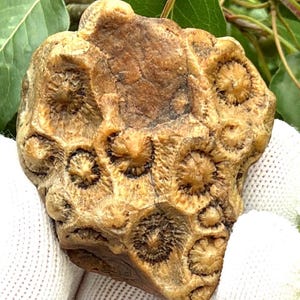
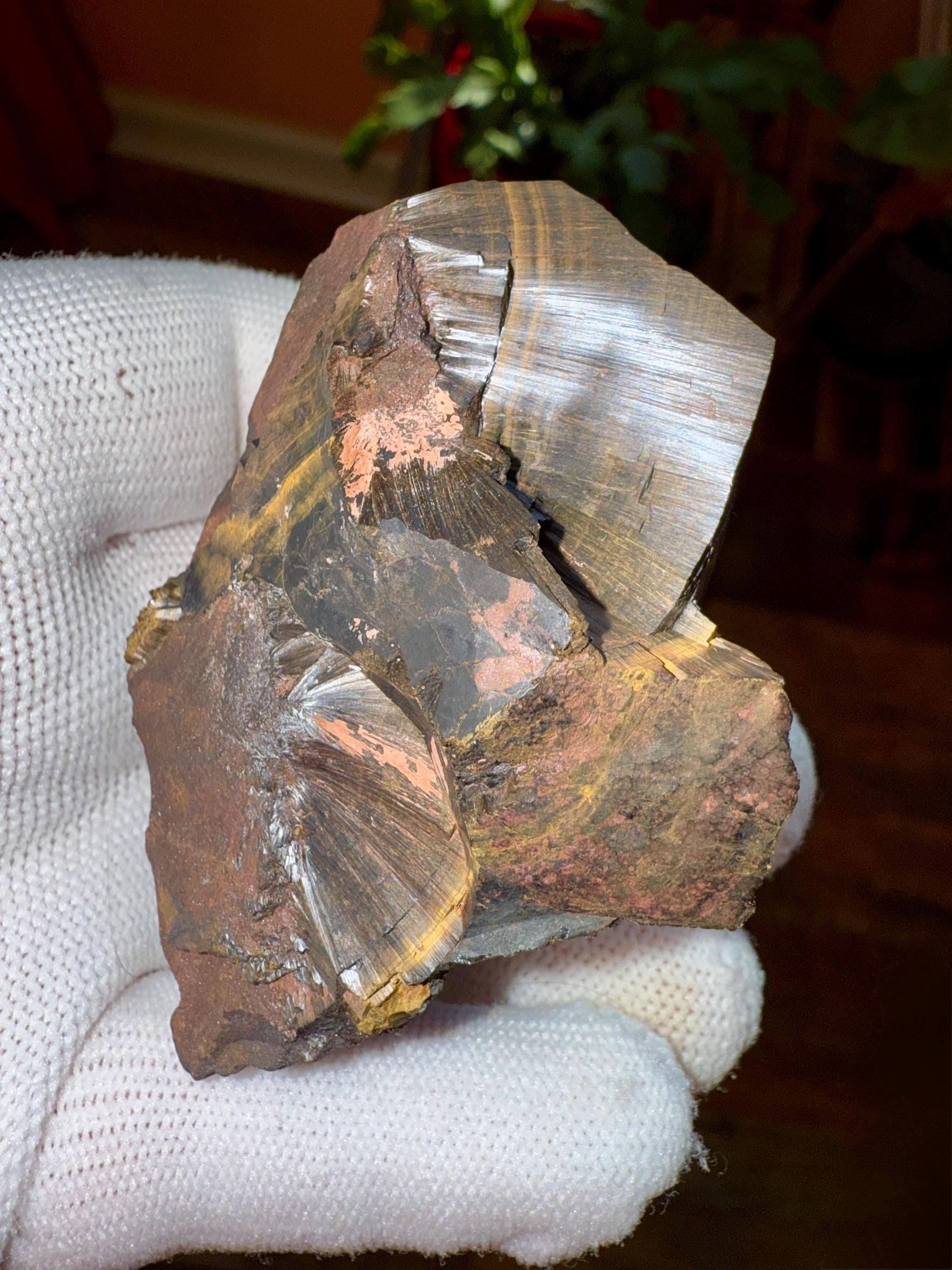
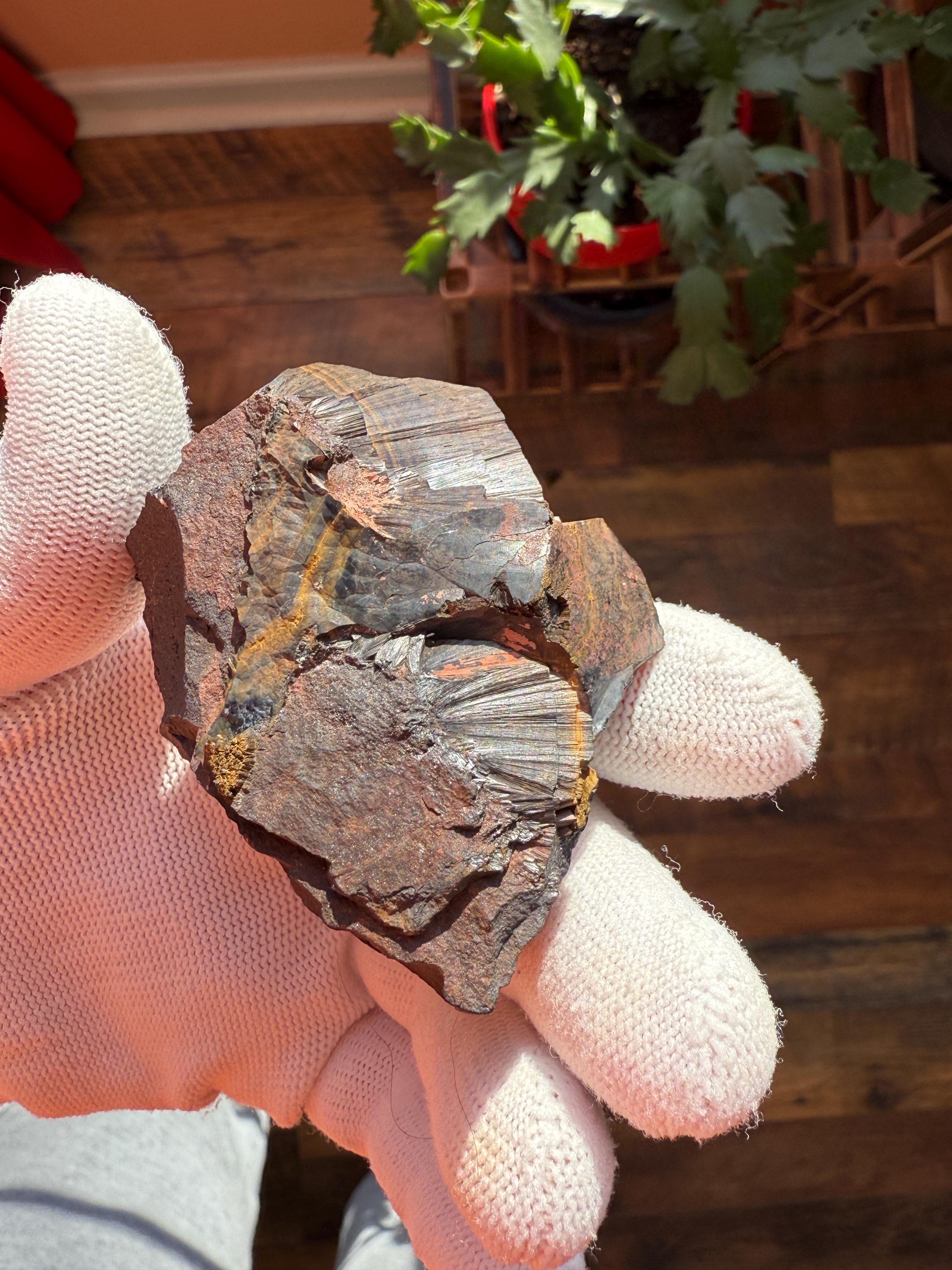
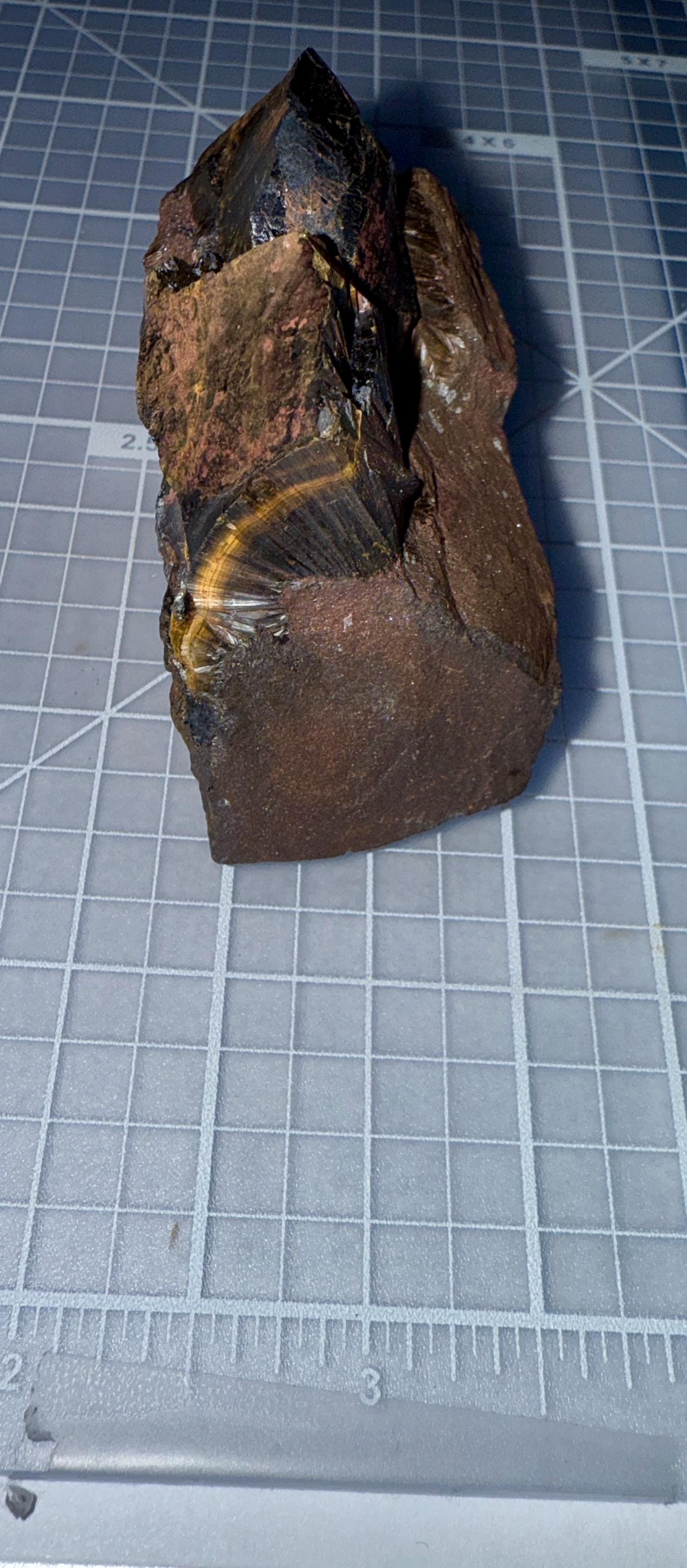
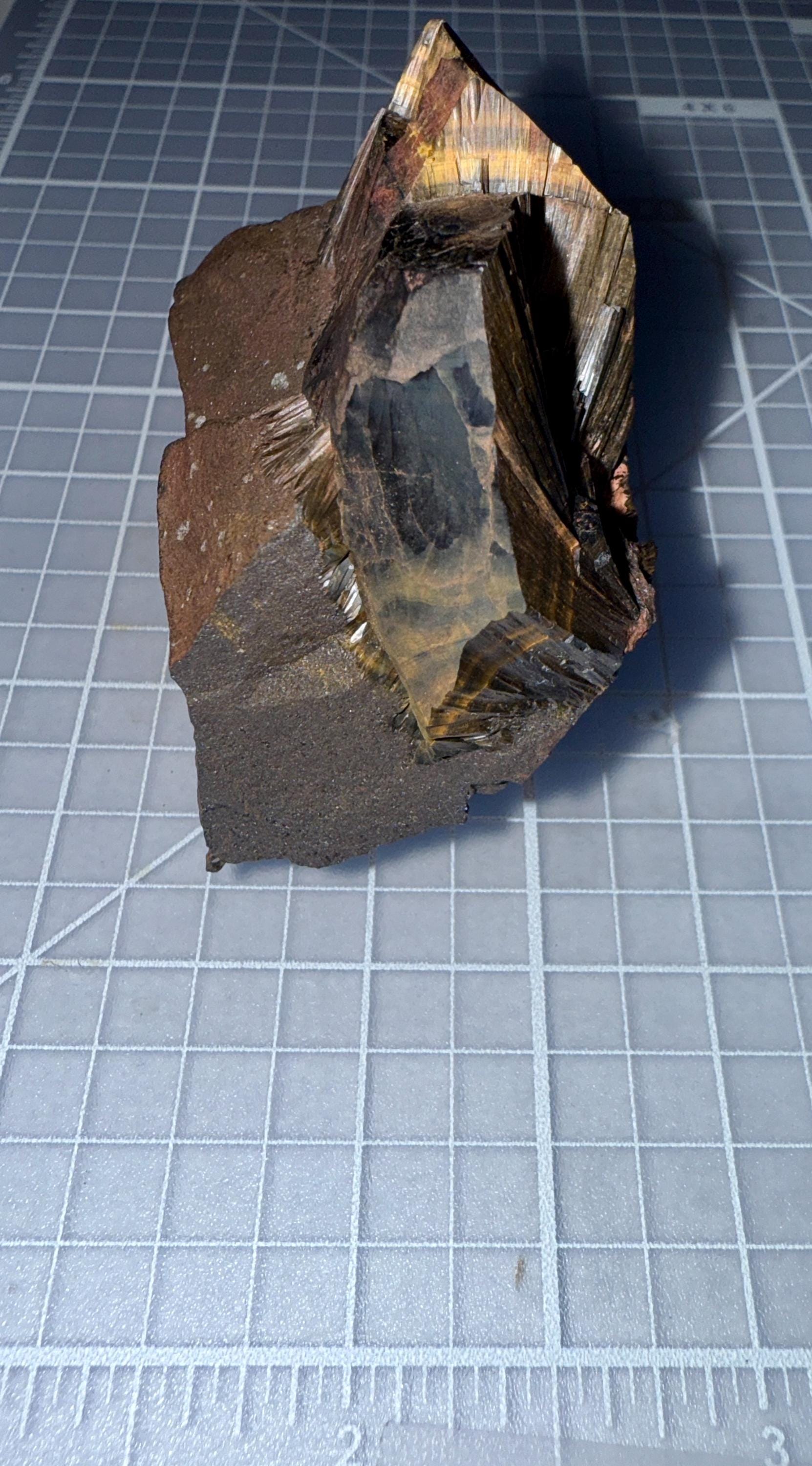
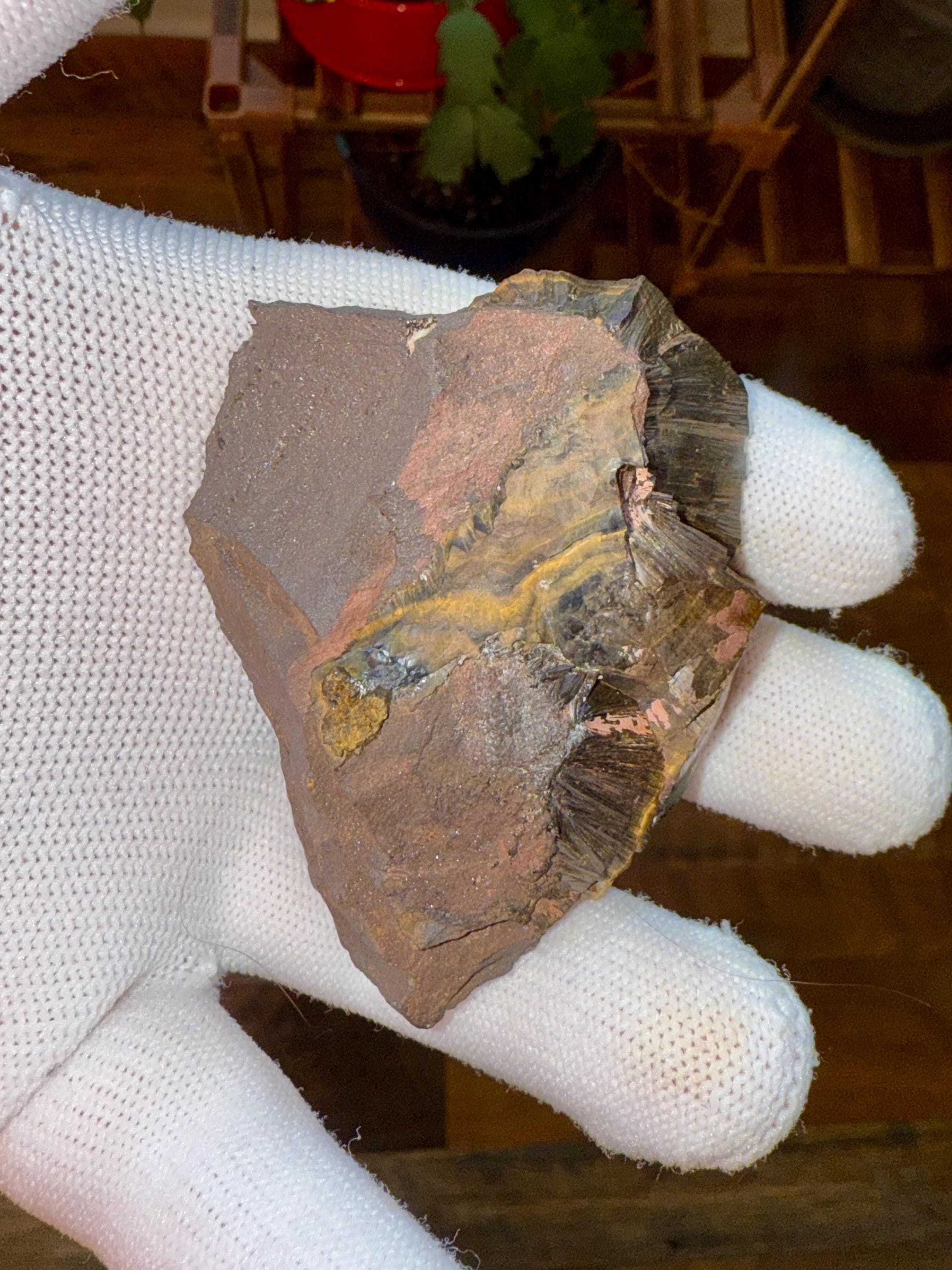
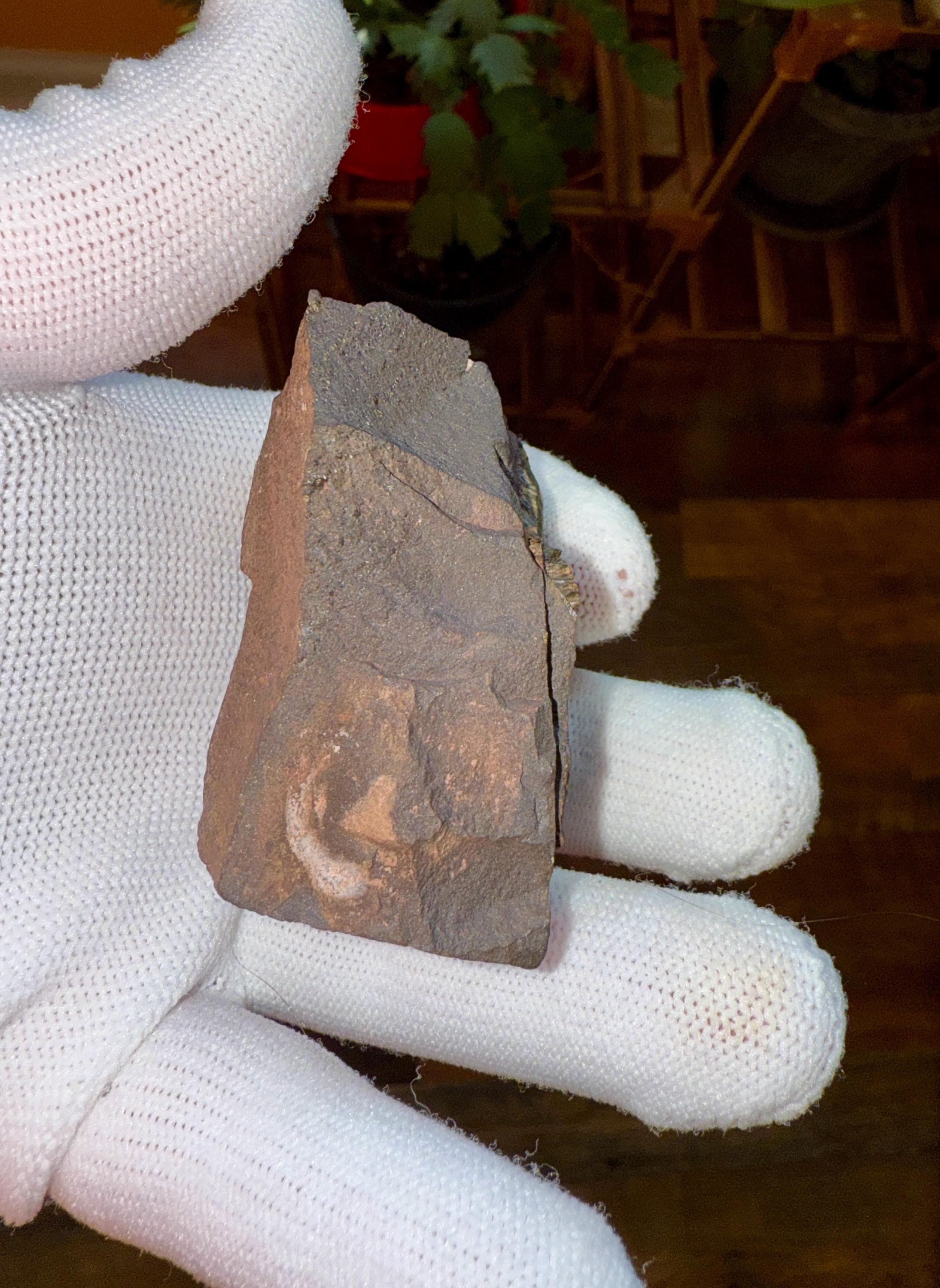
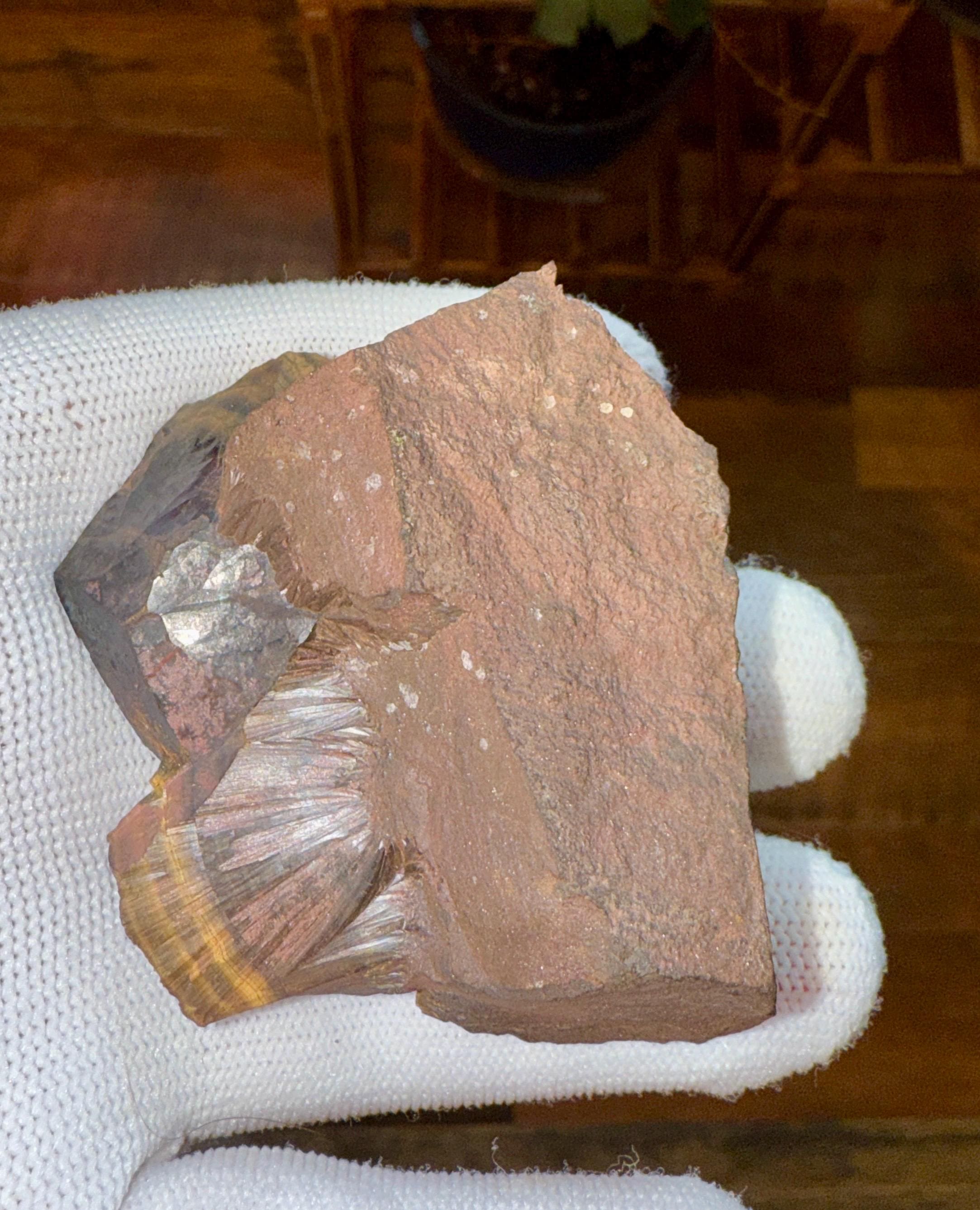
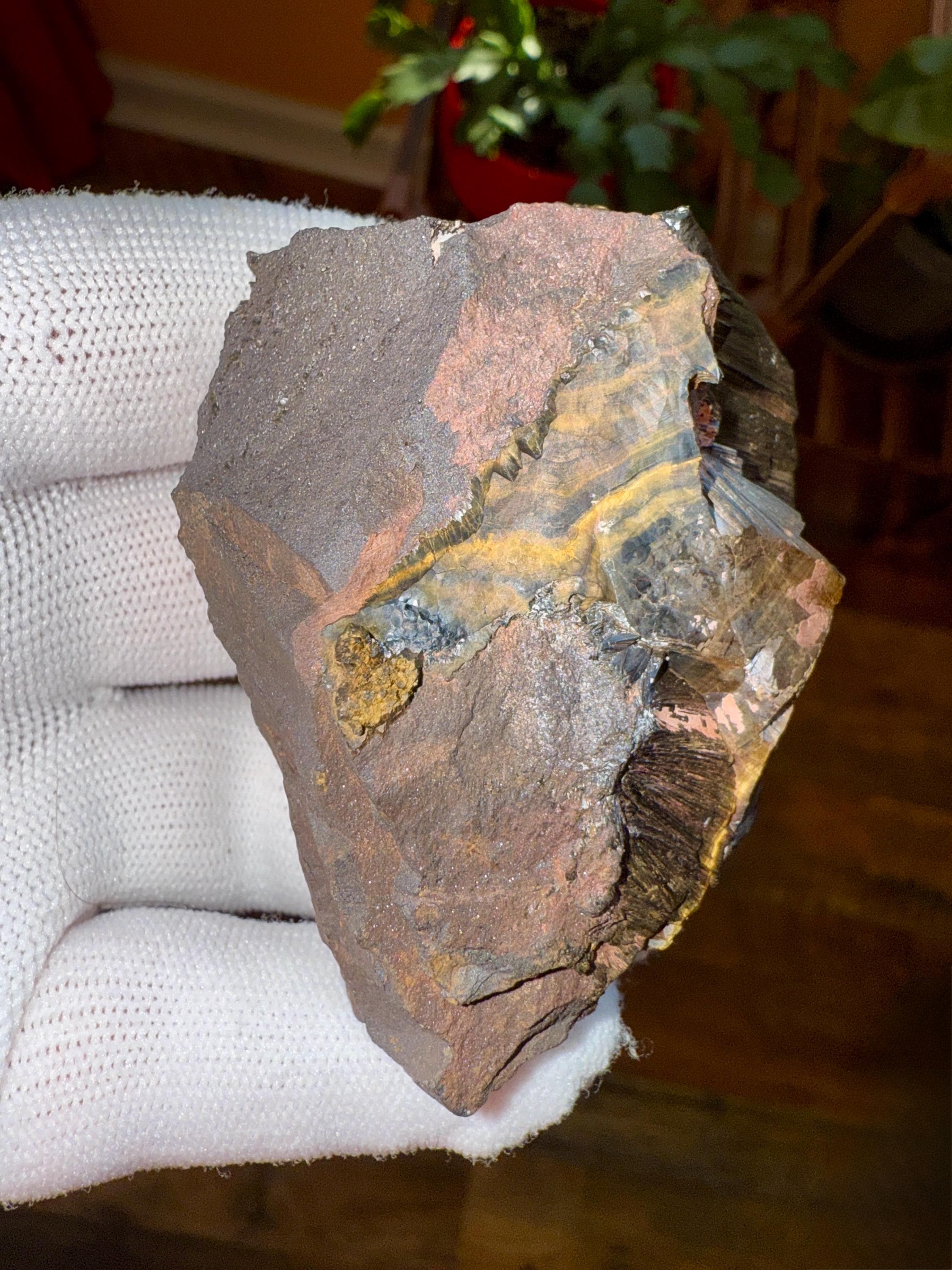
Goethite Specimen from Marquette, Michigan • 170 g • Natural Iron Oxide Mineral
$28.00
-
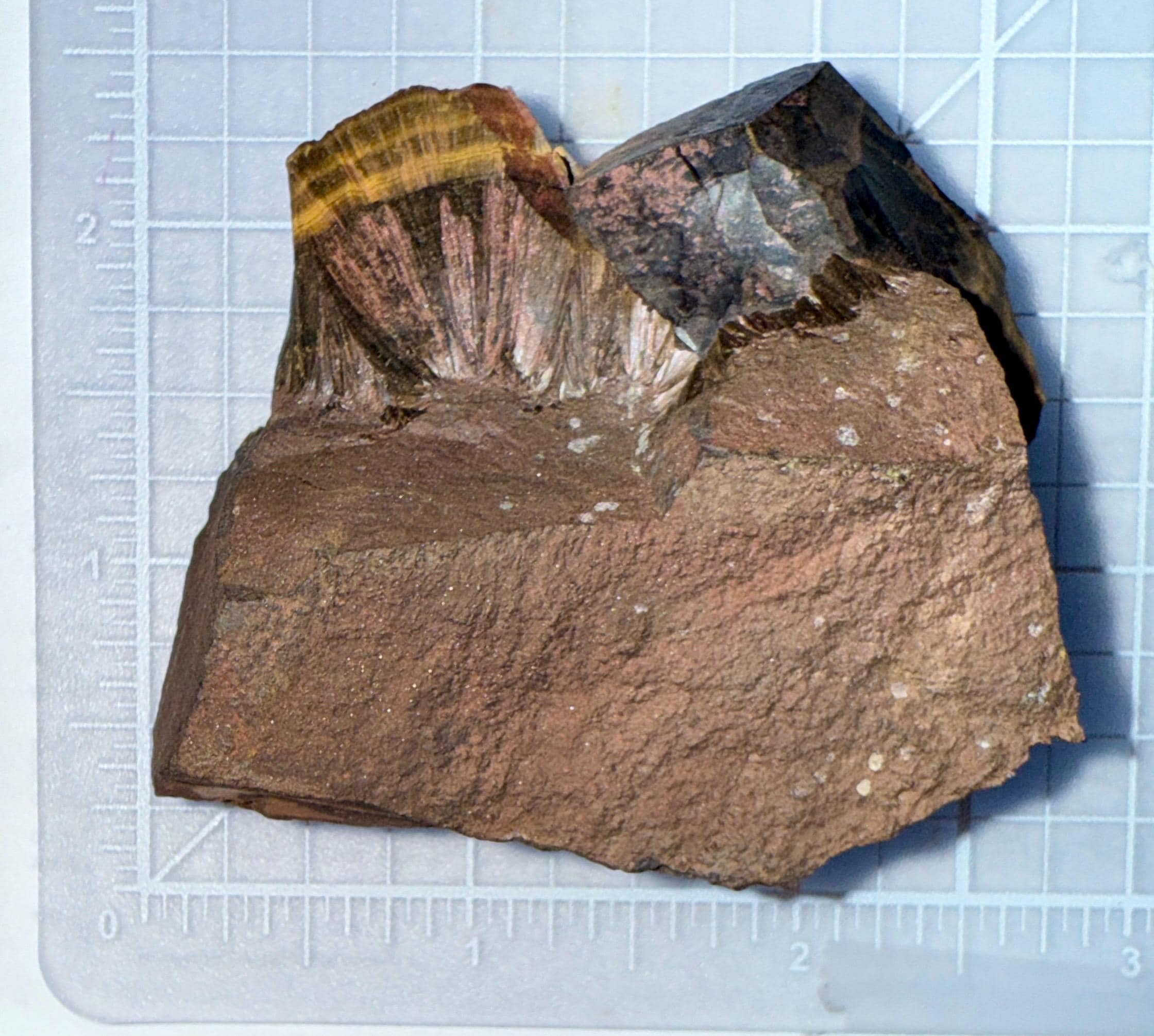
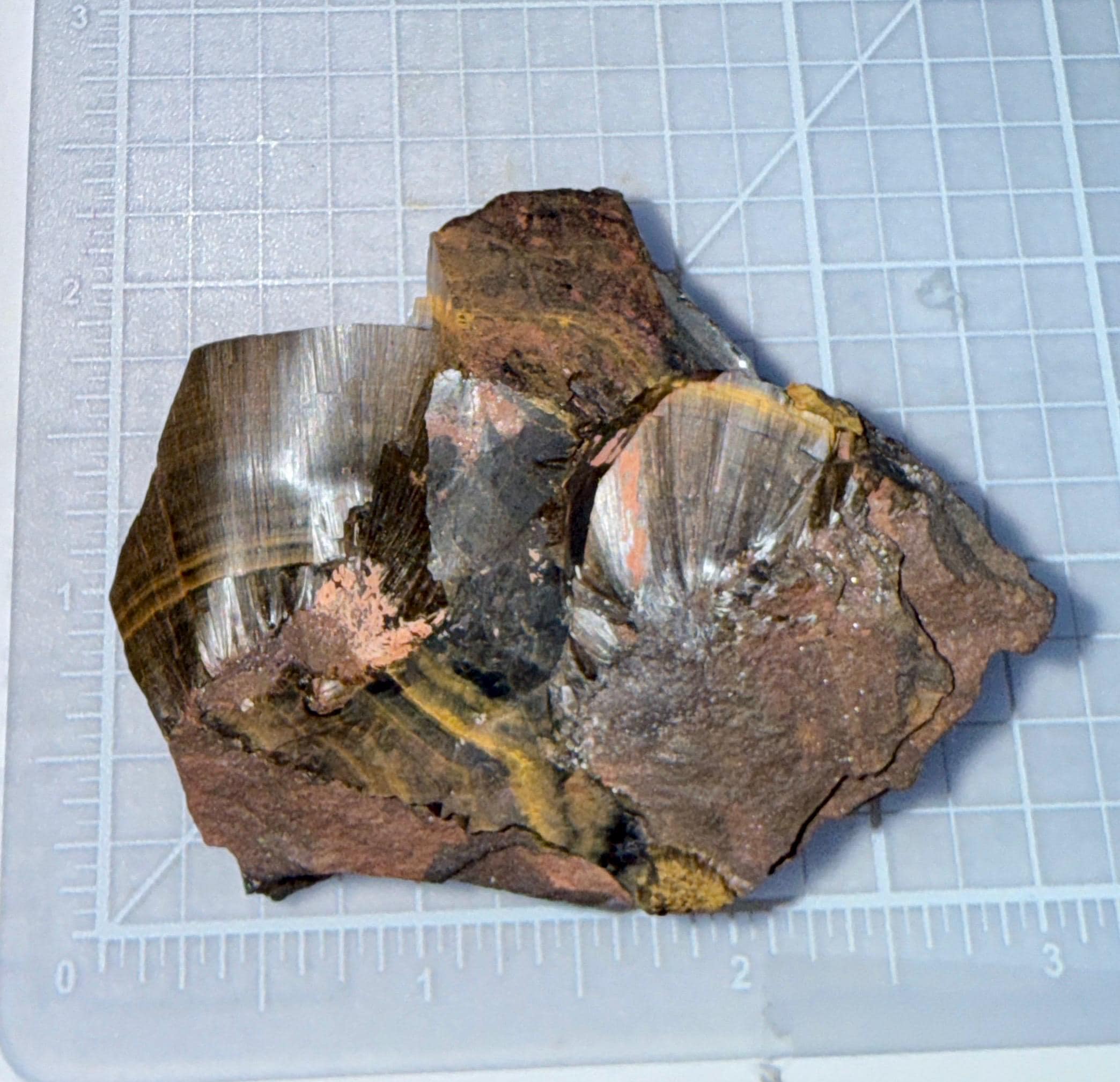
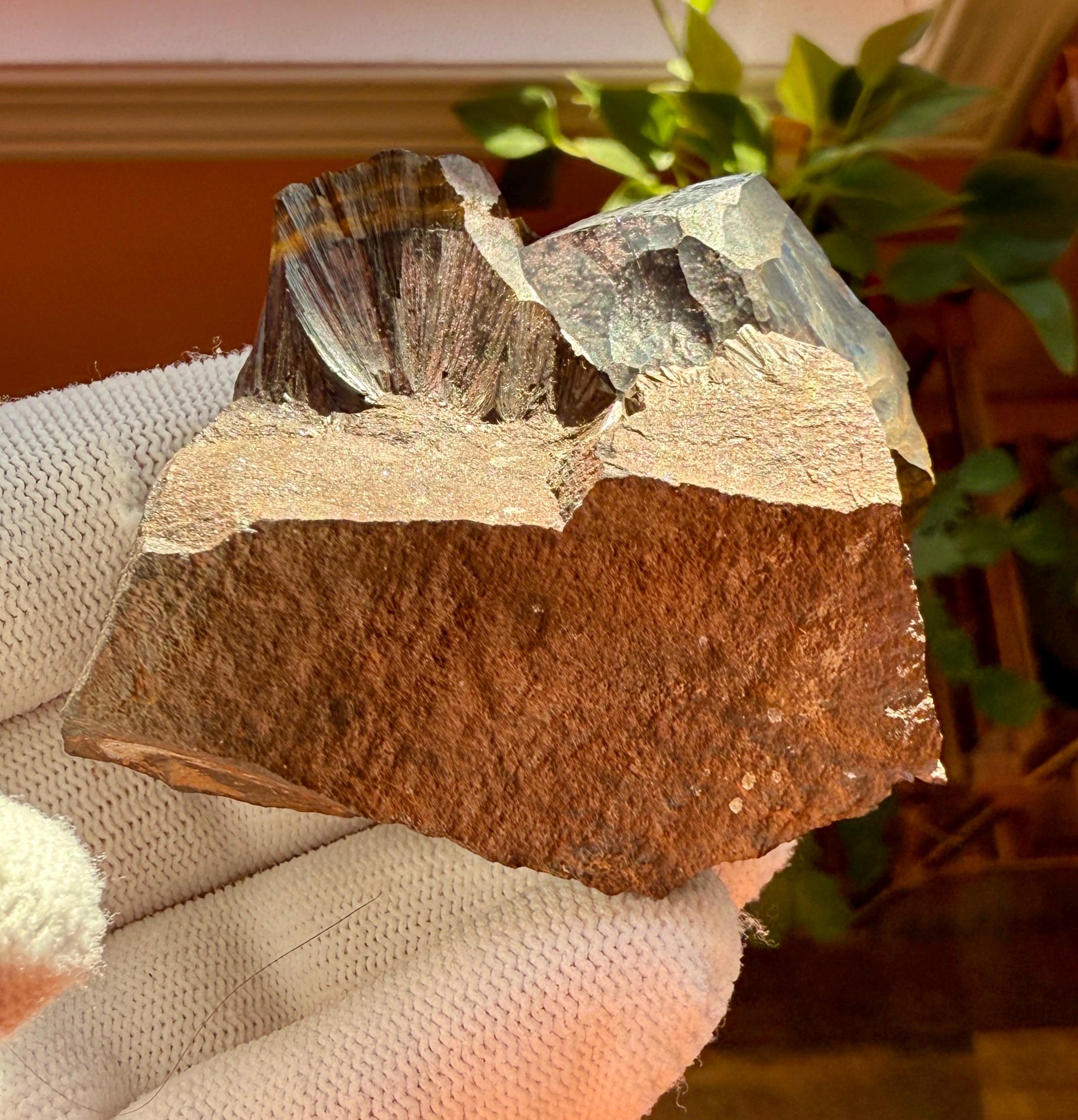
DetailsA natural goethite specimen sourced from the Marquette iron range of Michigan’s Upper Peninsula. This piece shows the classic earthy structure of the mineral, shifting from dull, massive iron‑oxide texture at the base to metallic, fan‑like “turkey tail” growths across the top surface.
Goethite forms when iron‑bearing minerals break down in the presence of oxygen and water. Over long periods, dissolved iron precipitates out as iron oxyhydroxide, building earthy masses, layered crusts, or metallic radiating fans like the ones seen here. In iron‑rich regions such as Marquette, these oxidation processes shape entire landscapes and leave behind the warm reds, browns, and metallic sheens characteristic of iron‑ore country.
Goethite also has a surprisingly deep cultural footprint. In ancient Phrygia, a royal burial believed to belong to the father of King Midas contained a shroud dyed with pigments rich in iron oxides, including goethite. The fabric took on a warm, golden tone. Some historians suggest that the famous legend of Midas and his “golden touch” may have grown from the discovery of a Phrygian royalty wearing garments colored by these naturally golden iron‑oxide dyes. While the story is myth, the mineral behind it is very real — and has shaped both landscapes and human imagination for millennia.
This Michigan specimen reflects that same family of iron minerals, formed through slow oxidation in one of the most historically significant iron‑ore regions in the United States.
Dimensions: 2.5 × 2.2 × 1.2 in
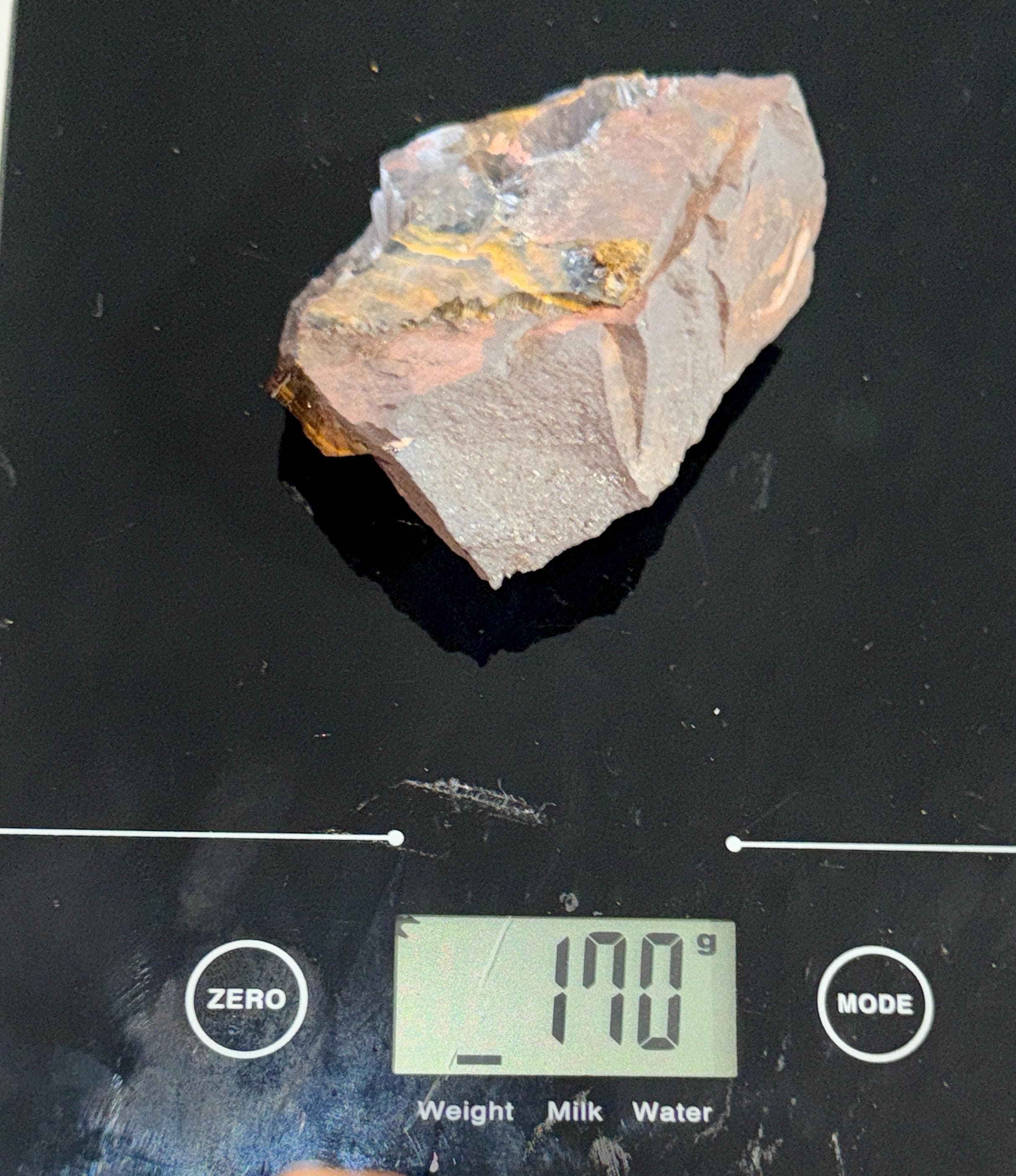
Weight: 6 oz (170 g)
Locality: Marquette, Michigan, USA
Material: Goethite (FeO(OH))
Condition: Natural, unpolished
This specimen is best suited for mineral collecting, geological study, educational kits, and small natural décor. Its size and structure make it ideal for display or teaching, but it is not suited for lapidary, tumbling, or palm‑stone shaping due to the mineral’s natural softness and friable texture. -
Shipping & Policies